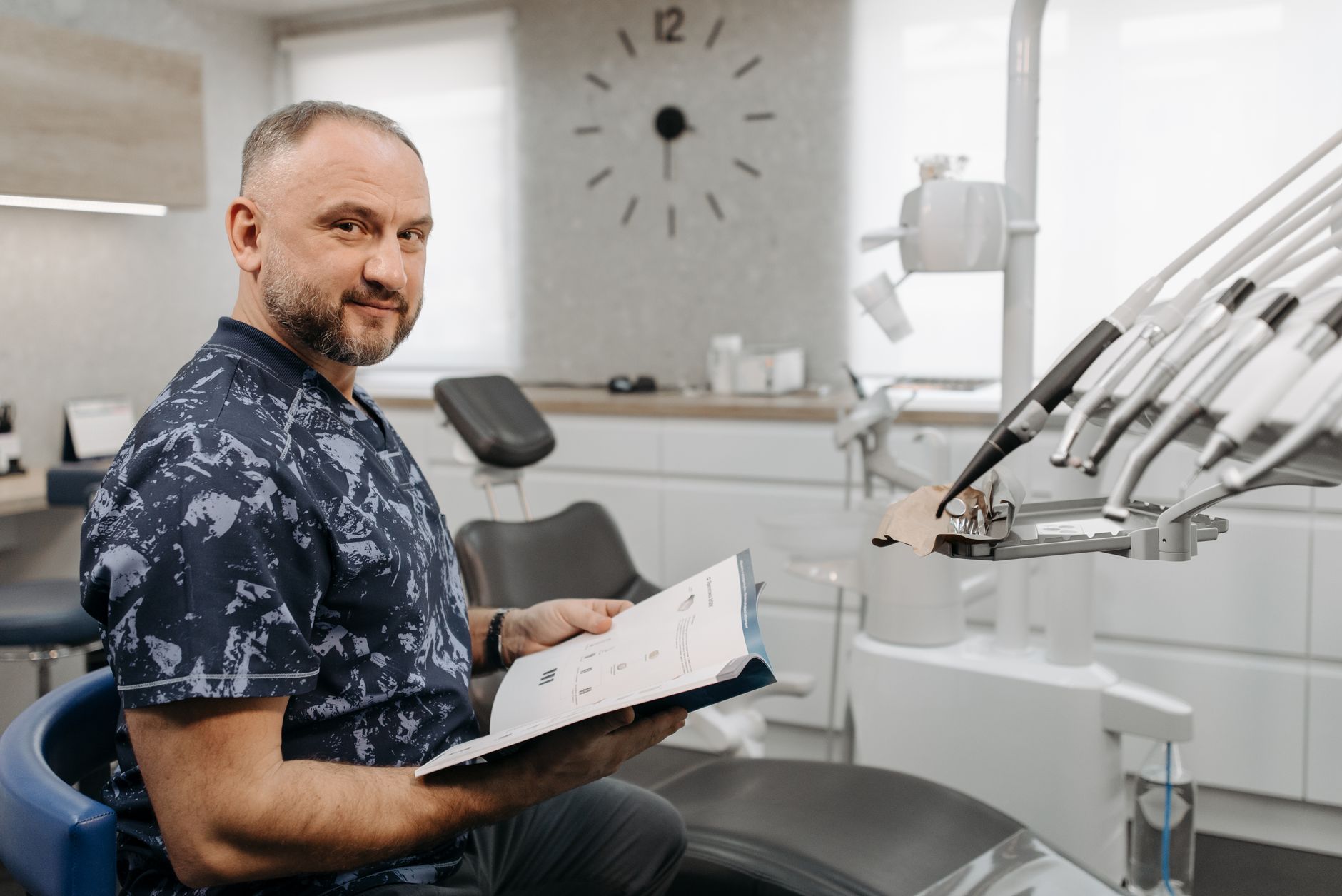
The Impact of Poor Record Keeping on Causation Analysis in Dental Litigation

In civil dental litigation, a claimant must prove both a breach of duty and that this breach caused the alleged loss. When clinical records are incomplete, inconsistent, or absent, establishing the causal link—the ‘but-for’ test—becomes more complex. For instructing solicitors, understanding how an expert witness interprets these evidentiary gaps is essential for assessing the viability of a claim at an early stage.
The Evidential Role of Dental Records
Comprehensive records provide the documentation against which clinical performance is measured. Standard practice typically involves maintaining contemporary notes, diagnostic radiographs, periodontal charting, and documented discussions regarding treatment options and associated risks. When these are missing, an expert witness must rely on alternative evidence, such as the patient’s recollection, records from subsequent providers, or the restorative state of the dentition observed during a clinical examination.
If clinical notes fail to record a key diagnostic finding—such as radiographic evidence of bone loss or the presence of a deep carious lesion—an expert may find it difficult to determine the stage of disease at the time of the alleged breach. This ambiguity directly complicates the assessment of causation. If the evidence cannot support the conclusion that the damage would not have occurred but for the specific acts or omissions in question, the claim faces a significant obstacle.
Clinical Contexts of Record-Related Challenges
Causation analysis often depends on the timing of diagnosis and intervention. In periodontal cases, the absence of longitudinal data makes it difficult to distinguish between tooth loss resulting from an alleged failure to diagnose and treat periodontal disease versus other factors like systemic health conditions or patient compliance. Similarly, in cases requiring an orthodontist to review treatment pathways, a failure to retain pre-treatment study models or clinical photographs can prevent an accurate assessment of the initial malocclusion and whether the reported outcome was a foreseeable risk or the result of sub-optimal management.
In endodontic cases, the lack of pre-operative and post-operative radiographs limits the ability to assess the technical quality of root canal treatment. Where the claimant alleges that a specific procedure caused nerve injury, the absence of documented discussions regarding the proximity of the inferior alveolar nerve to the roots of a third molar, or the lack of pre-operative imaging analysis, can impact the court’s assessment of whether the risks were adequately communicated to the patient.
The Role of the Expert Witness
A dental expert witness does not invent facts to fill gaps in the clinical record. Under CPR 35.3, the expert has an overriding duty to the court to provide objective, unbiased evidence. When records are poor, an expert may perform the following tasks:
- Scrutinise secondary evidence, such as letters to referring practitioners or the records of subsequent treating dentists, to reconstruct the clinical timeline.
- Assess the biological plausibility of the claimant’s account against clinical findings observed during a physical examination.
- Identify where missing records preclude a definitive opinion on causation, assisting the instructing solicitor in narrowing the scope of the claim.
- Distinguish between an adverse outcome that was an inherent risk and one that resulted from an identifiable breach of duty.
It is important to recognise that a breach of duty in civil litigation is a distinct concept from impairment of fitness to practise under GDC procedures. Poor record keeping may indicate professional deficiency, but it does not automatically establish that a specific act of negligence caused the injury in question.
Practical Guidance for Instructing Solicitors
Solicitors should aim to gather contemporaneous documentation from all practitioners involved in the patient’s care before instructing an expert. When instructing an expert, the letter of instruction should clearly define the scope of the review required under CPR 35.10.
Key considerations when reviewing records include:
- Confirming if serial radiographs were taken at appropriate intervals.
- Checking for evidence of consent, such as signed forms or detailed notes recording the discussion of potential complications.
- Assessing whether the clinical notes adequately capture the patient’s symptoms, which can be pivotal in cases involving infection or chronic pain.
If evidence is insufficient to form a view on causation, the expert may report on whether further investigation or disclosure might resolve the uncertainty. Under CPR 35.6, solicitors may use written questions to clarify an expert’s interpretation of record gaps. If the court directs that evidence be given by a single joint expert, they are instructed under CPR 35.8. Where multiple experts are instructed in the same discipline, the court may direct them to engage in discussions under CPR 35.12 to identify areas of agreement and disagreement. A well-constructed report will separate the undisputed facts from the expert’s inferences, providing the clarity required for negotiation or trial.
This article is for general informational purposes only and does not constitute legal or medical advice. Readers should seek appropriate professional guidance.