Condition
Cosmetic dentistry expert reports
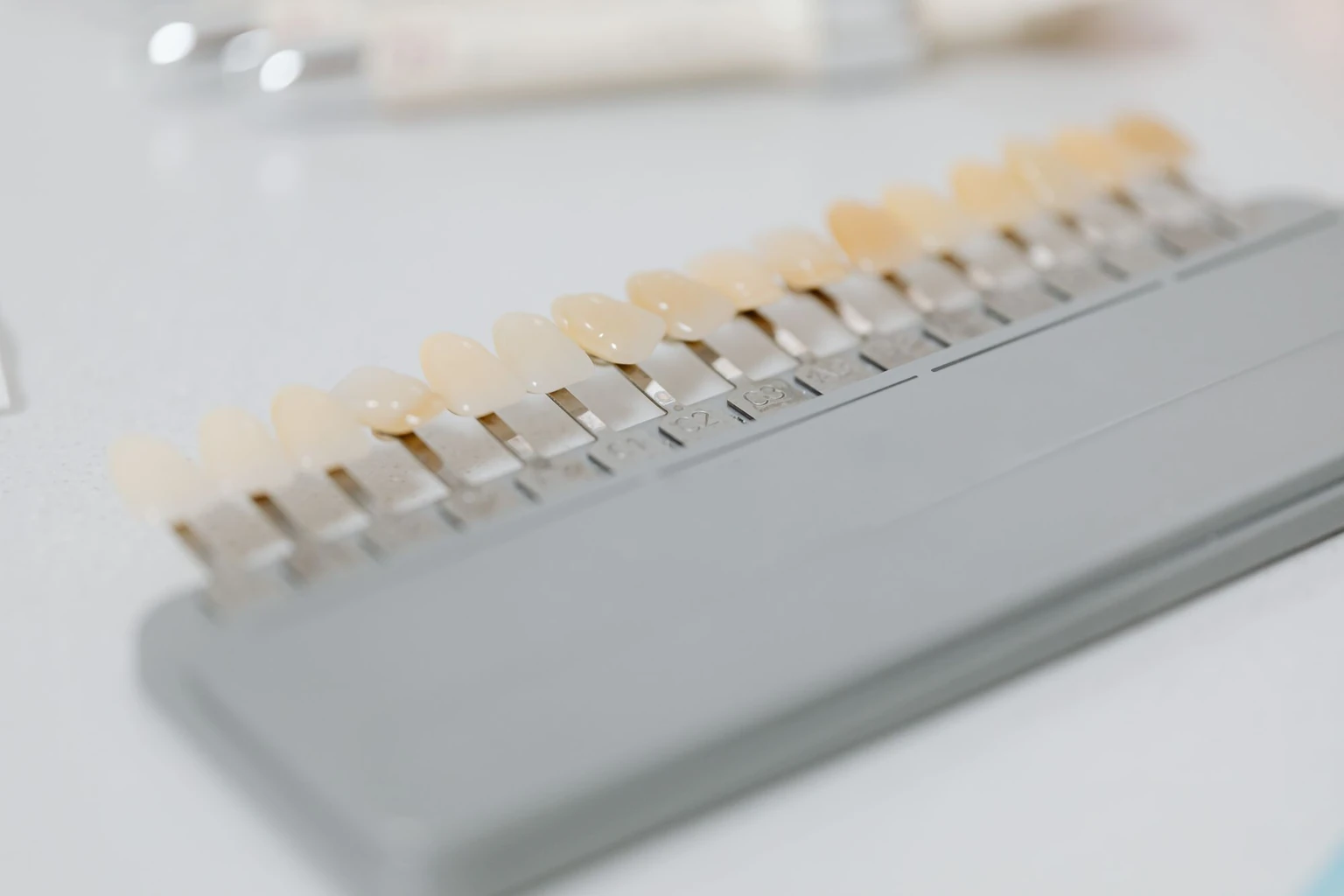
Independent opinion on veneers, bonding and aligner treatment where healthy teeth were prepared, or the result cannot be lived with.
Breach of duty
The standard, and the consent problem
Cosmetic dentistry is elective. That single fact raises the consent standard rather than lowering it: a patient who does not need treatment is entitled to a fuller discussion of what it will cost them.
Under Montgomery v Lanarkshire Health Board [2015] UKSC 11 the clinician must ensure the patient is aware of material risks and of reasonable alternatives. Where sound enamel is irreversibly removed to place veneers or crowns, the material risks include the loss of vitality of the prepared teeth and a lifetime of replacing the restorations.
The reasonable alternatives — composite bonding, whitening, orthodontics, doing nothing — must be discussed, not omitted because the practice does not offer them.
Clinical evidence
How the failure happens
Over-preparation
Healthy teeth reduced far beyond what the restoration required.
Crowns presented as veneers
The patient consents to one procedure and receives a more destructive one.
Alternatives never discussed
Bonding or orthodontics not offered before irreversible work.
Treatment on an unhealthy mouth
Cosmetic work placed over active decay or periodontal disease.
Pulpal death
Prepared teeth requiring root canal treatment or extraction afterwards.
Aesthetic outcome never agreed
No records of what the patient was shown or told to expect.
The counterfactual
Causation, and treatment carried out abroad
Where preparation was excessive, causation is usually plain: the enamel is gone and the teeth are committed to restoration for life. The value is the replacement cycle across the claimant’s remaining years.
Where the claim is about consent, causation runs through the claimant — would they have declined, had the alternatives been put to them? An expert can establish that reasonable alternatives existed and were not discussed. What the claimant would have done is for the court.
Treatment abroad. A large share of cosmetic dental harm now originates outside the jurisdiction. That raises questions of applicable law, limitation and enforceability against a foreign provider, which sit with you rather than with the expert. A dental report still values the harm and the remedial treatment. Where a UK dentist later provided care, their own management may be separately in issue.
-
01
Was the preparation excessive?
Whether a sound tooth was removed beyond what the restoration required.
-
02
Were the alternatives discussed?
Bonding, orthodontics, whitening or doing nothing — established, or absent from the records.
-
03
What will restoration cost for life?
The replacement cycle across the claimant’s remaining years.
Discipline-led matching
The expert we match
Restorative dentist or prosthodontist
Where the preparation, the restorations and the lifetime cost of putting the dentition right are in issue.
Orthodontist
Where the treatment involved clear aligners or fixed appliances — planning, monitoring and case suitability.
Where the instruction crosses those boundaries, we identify the required disciplines before you instruct and provide the proposed CV.
Expert evidence
The report you receive
Why solicitors instruct us
These are consent cases, and the value runs for a lifetime.
-
01
These are consent cases
The technical work may be adequate. The question is what the claimant was told before healthy teeth were cut, and our experts report on that question directly.
-
02
Lifetime cost, not just repair
Restorations fail and are replaced. A schedule that stops at the first rebuild undervalues the claim.
-
03
Keep one case-management contact
A named case manager coordinates the instruction, the proposed CV and the agreed report scope, and tells you where it stands before you ask.
Frequently asked questions
Assessing a cosmetic dentistry claim.
Practical questions for solicitors reviewing a cosmetic dental instruction.
Where the preparation was excessive, the consent inadequate, or the treatment provided on an unhealthy mouth.
The clinical harm is the same and can be reported on. Whether and where a claim can be brought is a question for you, not for the expert.
Not on its own. Aesthetics are subjective. Irreversible damage to sound teeth is not.
The consent principles are the same. The clinical questions concern planning, monitoring and whether the case was suitable for aligners.
Discuss an instruction