Condition
Jaw and TMJ injury expert reports
Independent opinion on fractures of the jaw and on temporomandibular dysfunction, after trauma or after dental treatment.
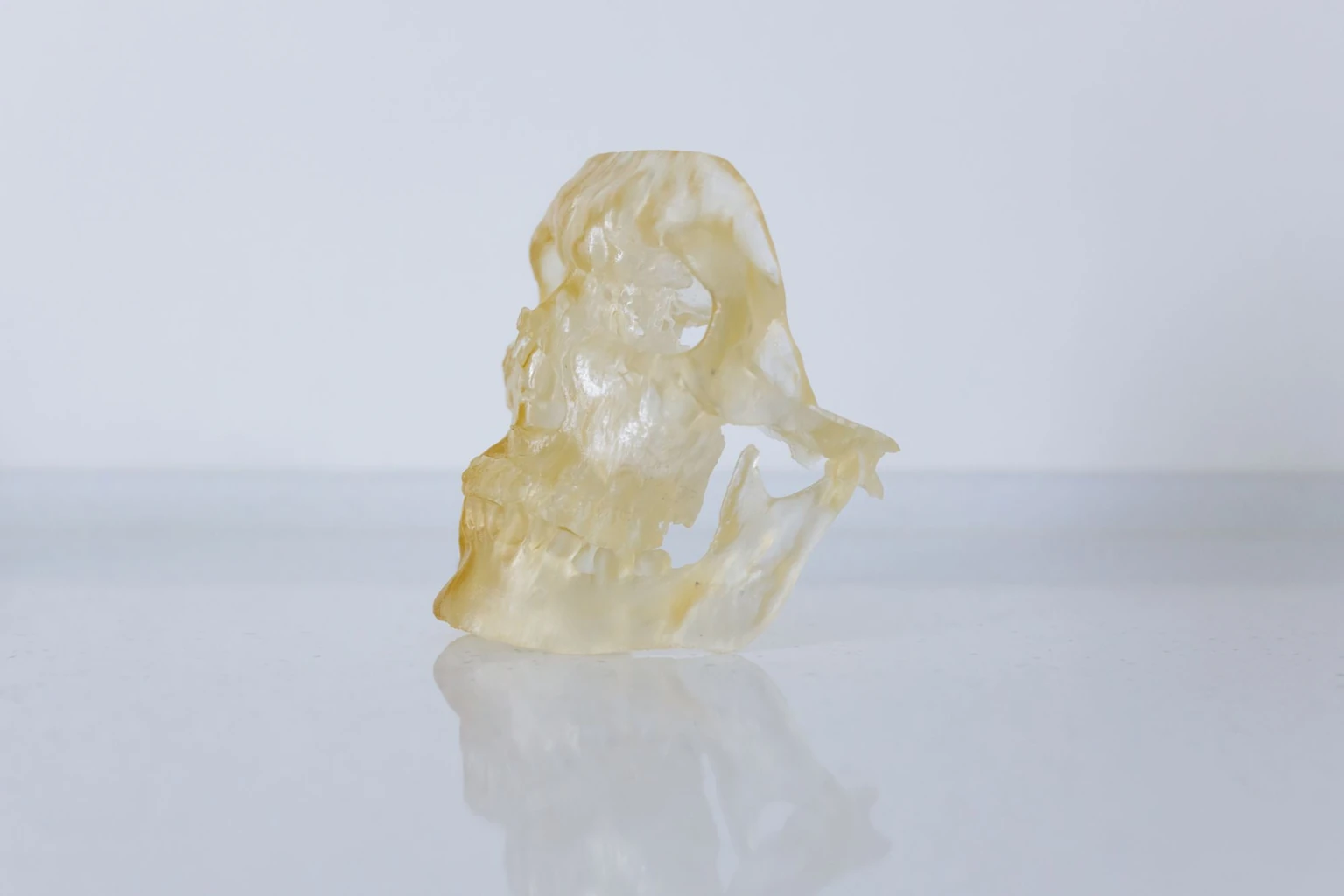
Two routes
Two routes to the same injury
Jaw and joint injury reaches solicitors by two distinct routes, and the report differs accordingly.
After trauma. An assault, a collision or a fall fractures the mandible or maxilla, or disturbs the joint. Liability sits elsewhere. The dental expert addresses condition, prognosis, and the cost of future care.
After dental treatment. Prolonged mouth opening, a difficult extraction, or a restoration that alters the bite can produce temporomandibular dysfunction. Here the expert addresses breach as well: whether the treatment met the standard, and whether the risk was explained.
Clinical evidence
Where the injury arises
Fracture during extraction
The mandible fractured while removing a lower tooth.
Prolonged opening
Extended treatment without rest, producing joint dysfunction.
Occlusal interference
A restoration or denture that alters the bite and loads the joint.
Dislocation not reduced
A dislocated joint not recognised at the time.
Trauma from assault or collision
Fracture, joint injury and the dentition damaged together.
The counterfactual
Causation, and the pre-existing joint
Temporomandibular dysfunction is common in the general population, and it is frequently asymptomatic until something provokes it.
The defendant’s case is almost always that the joint was already compromised. The expert must address what the claimant’s baseline was and what the treatment or trauma changed. Where a claimant had a history of clicking, bruxism or headache before the treatment, causation becomes contested.
Where the mandible has been fractured, causation is rarely in doubt. The value lies in the prognosis of the joint, the occlusion, and the dentition affected.
-
01
What was the baseline?
Whether the joint was symptomatic before the treatment or the trauma.
-
02
What did the treatment or trauma change?
The shift from that baseline the injury actually caused.
-
03
What is the prognosis?
For the joint, the occlusion and the dentition affected — measured over decades.
Discipline-led matching
The expert we match
Oral and maxillofacial surgeon
For fractures of the mandible or maxilla, and the surgical management that followed.
Restorative dentist, or orofacial pain expertise
Where the issue is temporomandibular dysfunction after treatment — the bite, the occlusion and the joint.
Where the instruction crosses those boundaries, we identify the required disciplines before you instruct and provide the proposed CV.
Expert evidence
The report you receive
Why solicitors instruct us
Two routes, two reports — and a joint that outlives the claim.
-
01
Two routes, two reports
A trauma claim and a treatment claim need different experts and different questions. We identify which you have before the CV is sent.
-
02
The joint outlives the claim
Prognosis over decades, not at the date of examination, is what the schedule should be built on.
-
03
Keep one case-management contact
A named case manager coordinates the instruction, the proposed CV and the agreed report scope, and tells you where it stands before you ask.
FAQs
Commonly asked questions
It can provoke symptoms, particularly after prolonged opening or a change to the bite. Whether that is negligent depends on the treatment and the warning given.
It complicates causation. It does not automatically defeat it, particularly where the claimant was asymptomatic before.
Not always. It is a recognised risk in atrophic or heavily resorbed mandibles. Technique and warning are the questions.
An oral and maxillofacial surgeon, addressing condition, prognosis and the cost of future dental care.
Discuss an instruction