Expert discipline
Dental implant expert witnesses
Opinion on implant planning, placement and failure, from clinicians who actually place them.
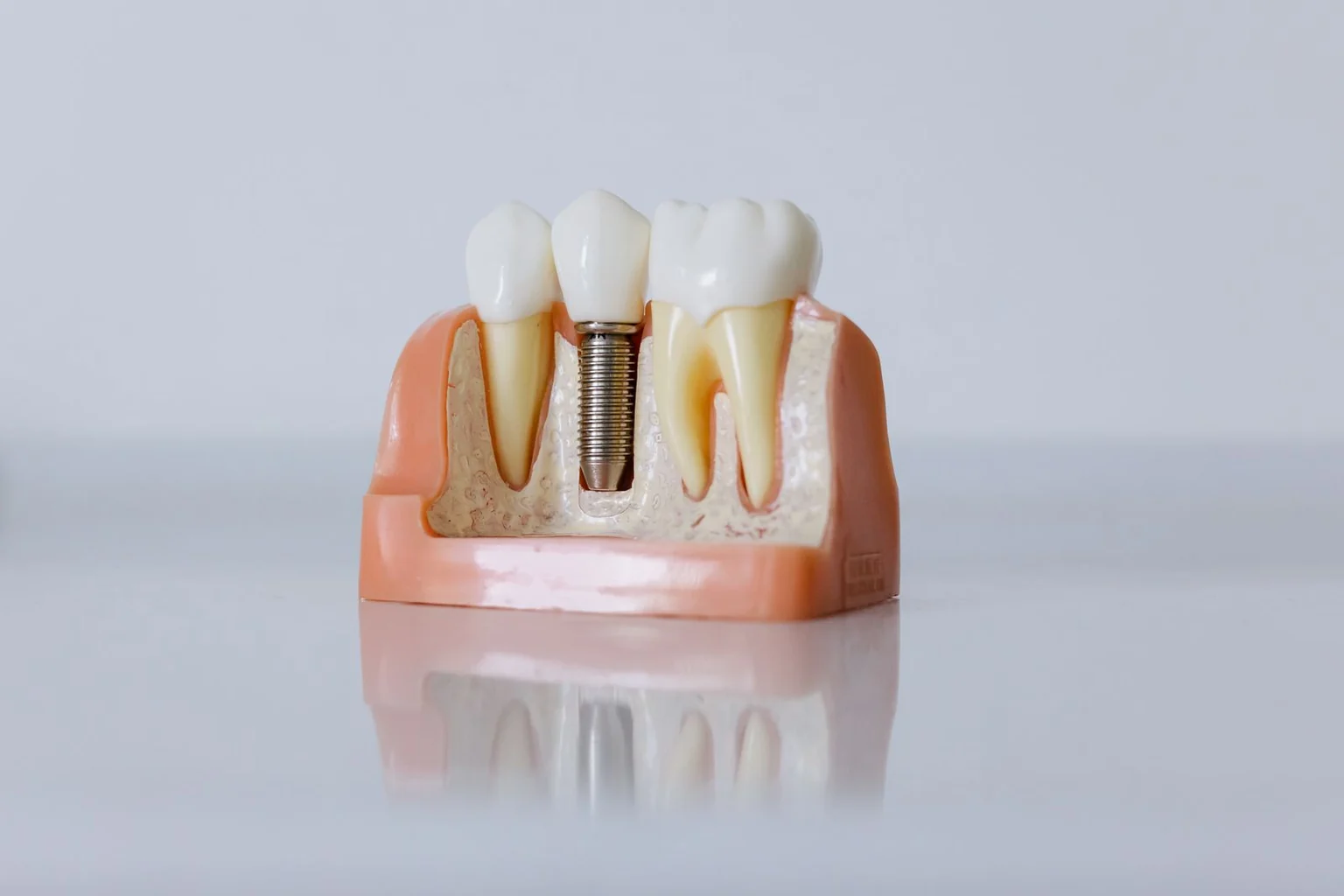
There is no speciality in implant dentistry
There is no such thing as a specialist implantologist.
Not a speciality
Implant dentistry
Implant dentistry has no GDC specialist list, and the title “implantologist” is not a recognised specialist title. Any registered dentist may place implants, and training ranges from a weekend course to years of specialist practice.
Common instructionPlanning, placement and failure of dental implants.
The fields it draws on
Oral surgery, periodontics, prosthodontics and restorative
Implant work sits within these fields, and the relevant expert depends on the question the claim actually asks.
Common instructionThe discipline matching the specific issue in dispute.
Instruction scope
What these experts report on.
Planning and assessment
Bone volume, nerve position and the adequacy of the imaging before placement.
Placement and malposition
Malposition and damage to adjacent structures, including the nerve.
Implants into untreated disease
Implants placed into active or untreated periodontal disease.
Peri-implantitis
Whether it was diagnosed and managed to the expected standard.
Consent
Including the risks arising from smoking and existing disease.
The cost of putting it right
Removing a failed implant, grafting, and restoring the site again.
How we match
Three questions, three disciplines.
Placement and planning go to an oral surgeon or a clinician who places implants routinely. Peri-implantitis and pre-existing disease go to a periodontist. Prosthetic design goes to a restorative dentist or prosthodontist.
Implant claims split across those three questions more often than solicitors expect, and instructing for one when the claim turns on another costs you the report.
-
01
Placement and planning
Oral surgeon or implant clinician
A clinician who places implants routinely, where placement is in issue.
-
02
Peri-implantitis and disease
Periodontist
Where pre-existing or untreated periodontal disease is central.
-
03
Prosthetic design
Restorative dentist or prosthodontist
Where the restoration rather than the placement is the subject of the claim.
The report you receive
Planning, placement and the cost of putting it right.
Planning and placement
Whether the assessment, planning and placement met the standard.
Maintenance and consent
The management of complications and the adequacy of consent.
The remedial schedule
A costed schedule of removal, grafting and restoration.
Why solicitors instruct us
We do not use a title that does not exist.
No invented title
An expert describing themselves as a “specialist implantologist” is describing something the GDC does not recognise, and it is the first thing an opponent will test.
Three questions, three disciplines
We identify which of planning, placement or prosthetics your claim turns on before the CV is sent.
A named case manager
One point of contact coordinates the instruction, expert correspondence and delivery of the report.
FAQs
Commonly asked questions
No. It is an area of practice within oral surgery, periodontics, prosthodontics and restorative dentistry. There is no GDC specialist list for it.
Any registered dentist. Competence, not registration, is what the standard tests.
No. Implants fail in competent hands. The question is planning, placement, aftercare and consent.
It goes to causation and to consent. It does not automatically defeat a claim, particularly where the patient was never warned.
Discuss an instruction