Condition
Orthodontic negligence expert reports
Independent opinion on treatment planning, monitoring and the damage that appliances can leave behind.
Breach of duty
The standard the clinician is judged against
Root resorption and decalcification are recognised consequences of orthodontic treatment. Neither is negligent in itself. The claim turns on planning, on monitoring, and on what the patient was told before treatment began.
Where treatment is elective and largely aesthetic, the consent discussion required by Montgomery v Lanarkshire Health Board [2015] UKSC 11 must cover the material risks and the reasonable alternatives, including the option of no treatment at all.
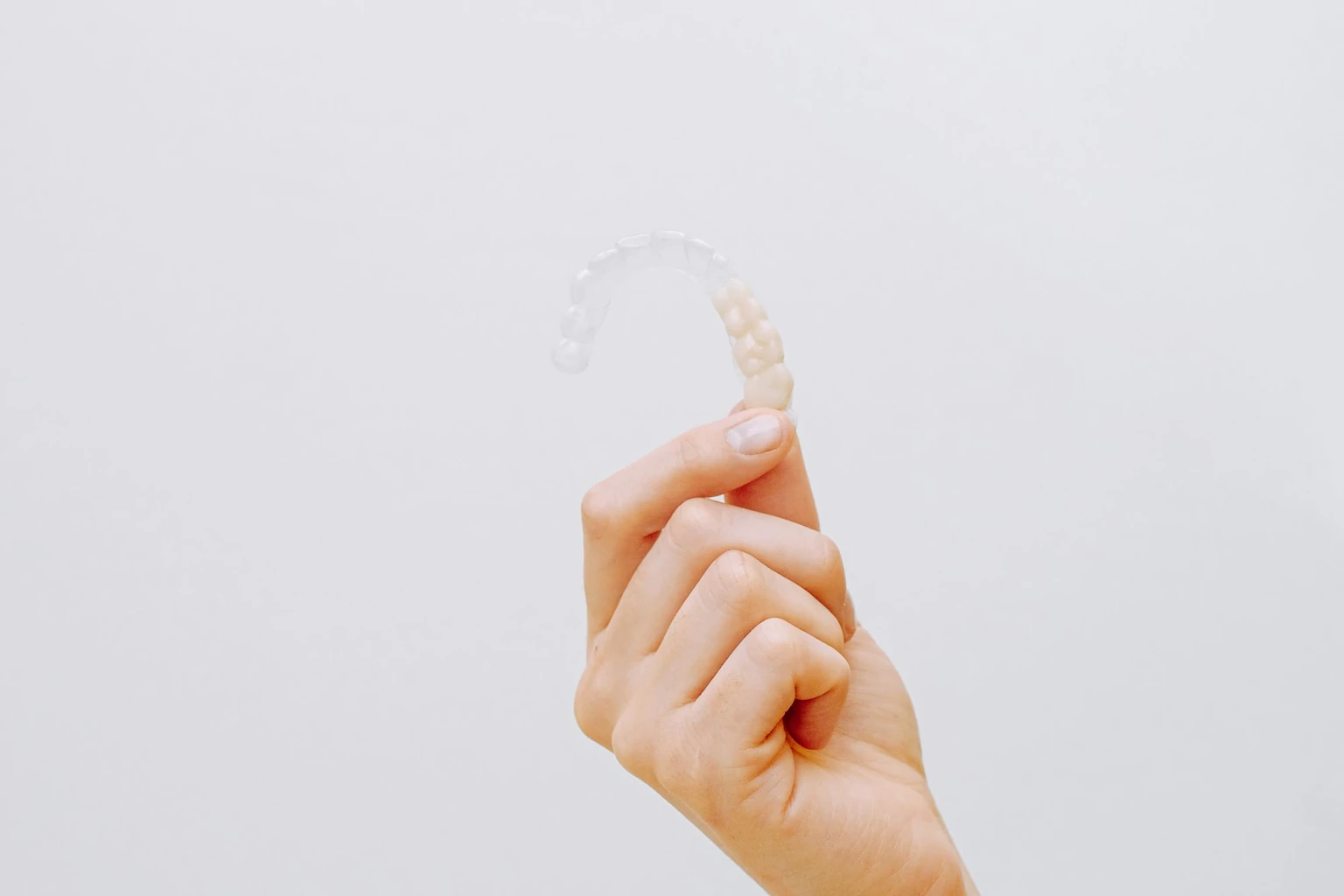
Where aligner treatment was delivered remotely with limited clinical supervision, the adequacy of monitoring becomes a central question.
Clinical evidence
How the failure happens
Severe root resorption
Progression not detected because radiographs were never taken during treatment.
Decalcification
White-spot lesions from prolonged plaque retention, with no intervention.
Treatment on an unhealthy mouth
Appliances placed over untreated decay or gum disease.
Unsuitable case selection
A case requiring surgical or specialist input treated with aligners.
Failure to retain
No retainer, or no explanation of the need for lifelong retention, and the teeth relapse.
Treatment abandoned mid-course
The patient left in appliances or in a worse position than they started.
The counterfactual
Causation, and where the claim fails
The defendant’s answer is almost always that the outcome was a known risk. The expert must show what monitoring would have detected and when, and what would have changed had it been detected.
Root resorption that would have progressed regardless does not found a claim. Resorption that would have been arrested by stopping treatment does. Decalcification claims usually fail unless the records show the clinician saw the lesions developing and did nothing.
Relapse claims turn on retention advice, and on whether the failure to retain was the patient’s or the clinician’s.
-
01
What would monitoring have detected?
And when — the point at which the records should have shown the problem.
-
02
What would have changed?
Whether stopping treatment would have arrested the harm, or it would have progressed regardless.
-
03
Was retention advised?
Whether the failure to retain was the patient’s or the clinician’s.
Discipline-led matching
The expert we match
Orthodontist
An orthodontist sets the standard for the orthodontic treatment undertaken — case selection, planning and monitoring.
Still judged to the orthodontic standard
Where a general dental practitioner delivered the treatment, an orthodontist still sets the standard for the treatment undertaken.
Where the instruction crosses those boundaries, we identify the required disciplines before you instruct and provide the proposed CV.
Expert evidence
The report you receive
Why solicitors instruct us
A known risk becomes a breach at the point monitoring failed.
-
01
Known risks are not automatic defences
We match an expert who can say what monitoring should have shown, which is what turns a recognised complication into a breach.
-
02
Case selection is where remote aligner claims live
An expert who understands what should never have been treated with aligners is the one your claim needs.
-
03
Keep one case-management contact
A named case manager coordinates the instruction, the proposed CV and the agreed report scope, and tells you where it stands before you ask.
FAQs
Commonly asked questions
Not by itself. It is a recognised risk. The question is whether it was monitored and whether treatment should have stopped.
Permanent white marks in the enamel where plaque has sat around a bracket. It is largely preventable with hygiene and monitoring.
The standard is the same. The evidence is different, because supervision and monitoring are usually the issue.
Relapse after retention has stopped is expected. The claim concerns retention advice and whether it was given.
Discuss an instruction