Consent in paediatric dental treatment: GDC Standards, Montgomery, and the duty to record discussions

The medico-legal framework for paediatric consent
In paediatric dentistry, the process of obtaining and recording valid consent is a recurring focus in medico-legal proceedings. Solicitors instructing experts in clinical negligence and regulatory defence cases frequently encounter disputes centred on the adequacy of contemporaneous records. Whether the issue relates to behaviour management, the use of sedation or complex restorative treatment, clear documentation of the decision-making process is essential to demonstrate compliance with legal and professional standards.
The principles established in Montgomery v Lanarkshire Health Board [2015] UKSC 11 fundamentally altered the approach to informed consent. In the context of treating children, the focus shifts to ensuring that the person with parental responsibility is provided with sufficient information to make an informed decision. This includes the material risks of the proposed treatment, the risks of alternative options, and the consequences of taking no action. Failure to adequately discuss these elements, or to record that such discussions took place, often becomes central to breach of duty analysis.
The General Dental Council (GDC) Standards for the Dental Team require dental professionals to maintain clear, accurate and contemporaneous records. In cases involving minors, the record should document the nature of the consultation, the information provided, and any specific questions or concerns raised by the parents. When a solicitor instructs an experienced dental expert witness to review the standard of care, the expert will assess whether the information shared met the standard required for a reasonable person in the position of the parent.
Common pitfalls in clinical records
Deficiencies in clinical records frequently emerge during litigation. A common issue is the use of generic, pre-printed consent forms that lack evidence of tailored discussion. In paediatric cases, where behaviour management or sedation may be proposed, the absence of a recorded rationale for these choices can be problematic. Experts are often asked to consider whether alternative approaches, such as conscious sedation or referral for specialist care, were discussed and why they were rejected, or whether the parent was even aware of such alternatives.
Other areas that frequently require expert scrutiny include:
- Documentation of the justification for radiographic imaging, particularly where caries management involves serial radiographs in a child who may be anxious or difficult to treat. The decision should reflect clinical judgement and the child’s individual circumstances.
- Recording of safeguarding concerns, where a breakdown in communication between the dental team and parents may lead to confusion regarding treatment protocols.
- The distinction between a failure to obtain valid consent and an adverse outcome that may occur despite treatment being provided to a high standard.
- The quality of information regarding the prognosis of restorative or endodontic interventions in deciduous or immature permanent teeth. Success rates may vary based on the child’s compliance and developmental stage, and these factors should be discussed with parents.
The role of the expert witness
When instructing an expert, it is important to select an individual whose clinical background aligns with the specific nature of the dental procedure in question. Under Civil Procedure Rule (CPR) 35.3, the expert has an overriding duty to the court to provide independent, objective, and unbiased evidence. This duty is distinct from the instruction process, which should focus on providing the expert with complete clinical records, relevant radiographs, and a chronology of correspondence.
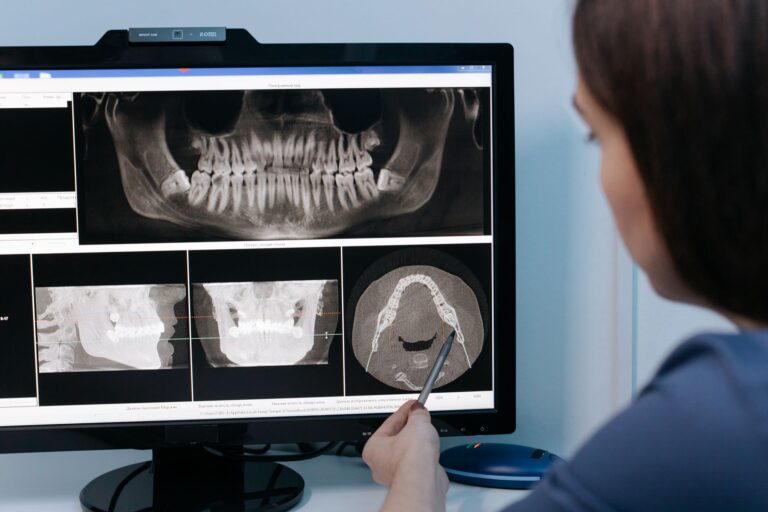
Instructing solicitors should avoid over-interpreting radiographs or assuming that a clinical failure implies a breach of duty. The assessment of whether a clinician acted in accordance with a responsible body of professional opinion remains the benchmark, as established in Bolam v Friern Hospital Management Committee [1957] 1 WLR 582 and refined in Bolitho v City and Hackney Health Authority [1998] AC 232. A robust expert report will evaluate whether the clinical decision was logical and whether the parent was given the information necessary to consent to that specific course of action.
Practical steps for the legal team
For those preparing a claim or defending a General Dental Council (GDC) investigation, the quality of the initial records review is critical. When instructing an expert, consider the following:
First, ensure that all relevant records are obtained, including those from previous practitioners if continuity of care is in question. Second, frame questions for the expert that address both breach of duty and causation. For instance, if it is alleged that consent was not obtained for a particular extraction, the expert should be asked not only whether the duty was breached, but also whether the claimant would have chosen to delay or refuse the procedure had they been fully informed of the risks. This ‘but-for’ analysis of causation is often the most complex element of the claim.
Third, where appropriate, expert discussions may be arranged under CPR 35.12. Any joint statement should be a product of professional collaboration intended to narrow the issues for the court. It is important to avoid influencing the expert’s opinion, as the court relies upon the expert’s independent assessment of the evidence. When a matter proceeds to a hearing, the expert’s ability to explain complex clinical concepts to a judge, while maintaining a neutral and court-safe tone, is often the most valuable contribution to the litigation.
Ultimately, the objective of the medico-legal process is to provide the court with a clear, evidence-based assessment of the clinical events. Where records are poor, the expert must be allowed to provide an opinion on the standard of care based on the available evidence, while acknowledging the limitations caused by gaps in documentation. A transparent approach to the strengths and weaknesses of the clinical evidence allows for a more efficient resolution of the case, whether it settles or proceeds to trial.
This article is for general informational purposes only and does not constitute legal or medical advice. Readers should seek appropriate professional guidance.