Causation in restorative failures: Distinguishing poor planning from mechanical failure

The Clinical Framework for Restorative Failure
In clinical negligence litigation, restorative dentistry claims often hinge on whether a failed treatment reflects a departure from a responsible body of professional opinion or is the result of inherent biological unpredictability. For instructing solicitors, the analytical challenge lies in distinguishing a foreseeable failure—attributable to inadequate planning, substandard preparation, or occlusal mismanagement—from mechanical failure or biological compromise that might have occurred despite the exercise of reasonable care. Expert evidence, provided under the duties set out in CPR Part 35, is essential to determine whether the practitioner provided care that fell below the standard established by the Bolam and Bolitho line of authority.
Restorative dentistry involves the complex interaction of materials, dental anatomy, and systemic patient factors. A failure of a crown, bridge, or complex rehabilitation does not, of itself, establish clinical negligence. To demonstrate a breach, the expert must examine whether the treatment plan was based on an adequate baseline assessment. This includes the evaluation of existing dental disease, such as the state of supporting tissues managed by a specialist who assesses the health of the periodontium, as well as the suitability of the abutment teeth to withstand the biomechanical forces of a proposed restoration.
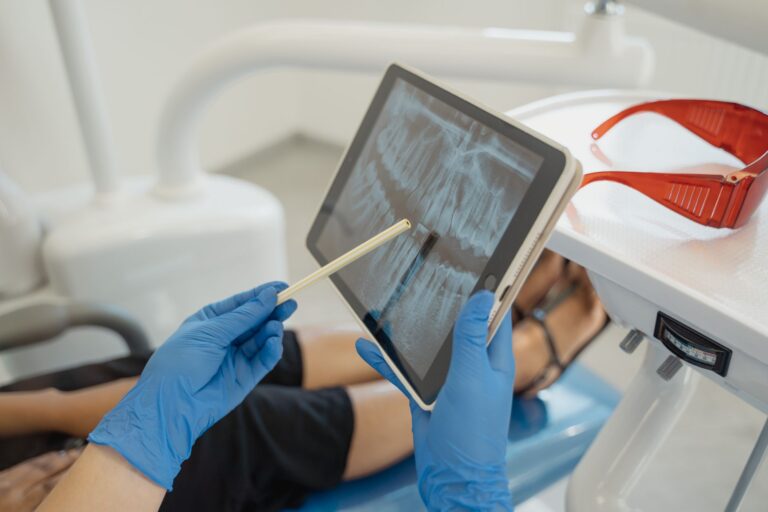
Radiographic evidence is frequently the primary source for assessing the quality of preparation and marginal integrity. Over-reading radiographs is a common pitfall; an expert must distinguish between a perceived deficiency in marginal adaptation and a radiographically deceptive artifact. Furthermore, the assessment of pulpal risk is paramount. If a clinician performs extensive tooth reduction on a tooth with a tenuous pulpal prognosis, the expert must determine whether the procedure itself was justified or whether the clinician failed to warn of the known risks of pulp necrosis, in line with the principles articulated in Montgomery v Lanarkshire Health Board.
Identifying Breach of Duty versus Biological Limitation
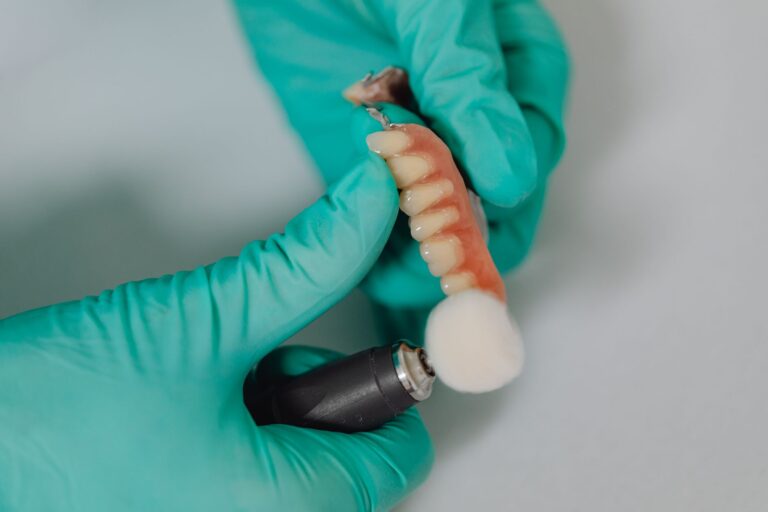
Proving causation requires the expert to establish that the identified breach caused the injury. In restorative cases, this often involves the ‘but-for’ test. If a bridge fails due to a fracture, the expert must assess whether the failure was caused by the clinician’s failure to reduce the tooth sufficiently to accommodate the restorative material, or whether the patient’s underlying parafunctional habits led to forces that exceeded the physical properties of the restoration. Where pre-existing disease is present, such as undiagnosed periodontal instability, the expert must untangle the extent to which the restorative failure was inevitable due to the poor prognosis of the support, rather than the restorative intervention itself.
Areas of forensic scrutiny include:
- Inadequate assessment of the occlusal scheme leading to premature contacts and subsequent fracture.
- Failure to manage secondary caries or periodontal breakdown around existing abutments before placing new prosthetics.
- Over-treatment, particularly in the context of aesthetic veneers or crowns placed on minimally diseased teeth where the long-term biological cost was not clearly communicated.
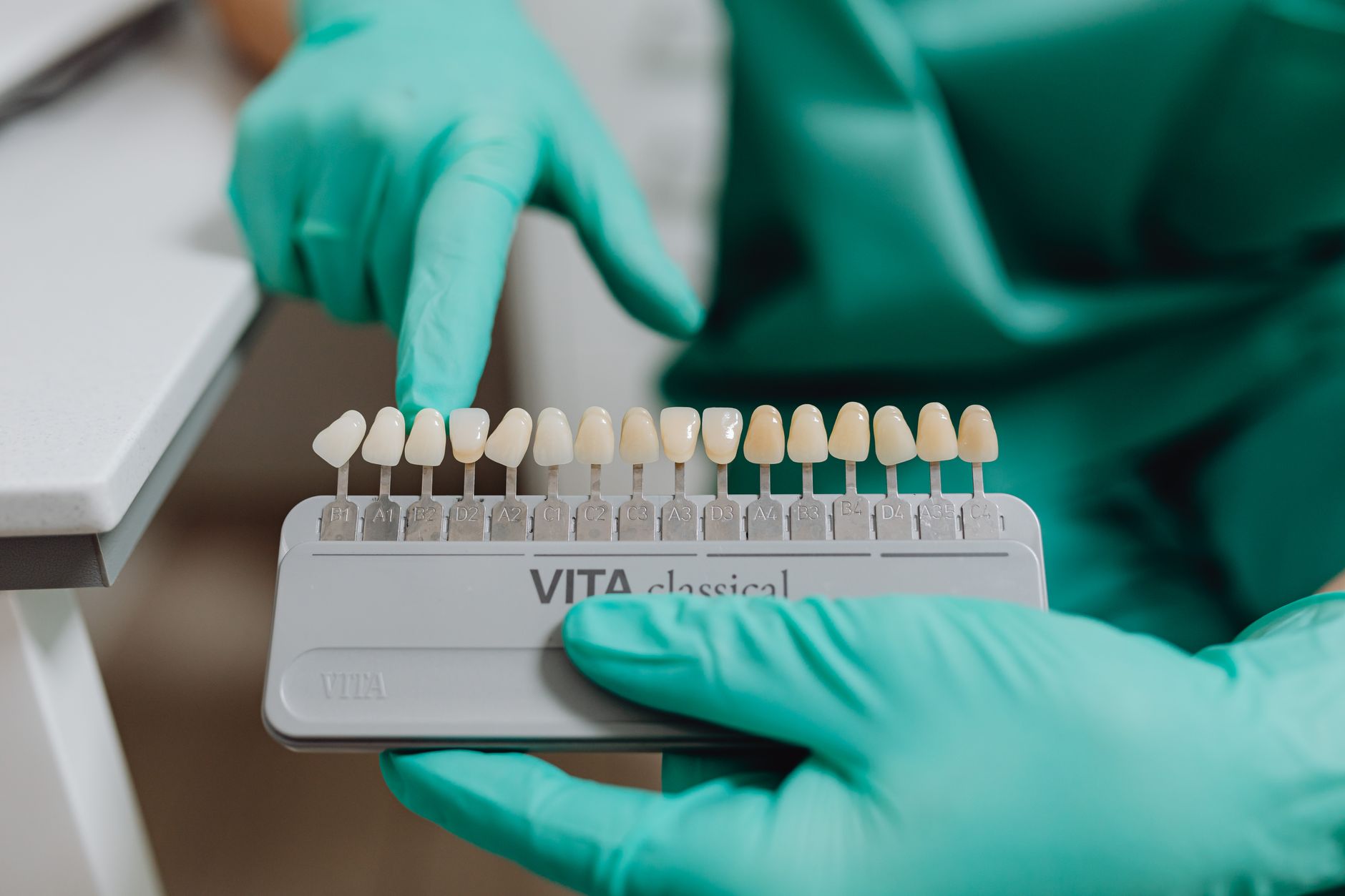
- Poor selection of materials relative to the patient’s known bite force or clinical history.
The Role of the Expert Witness
The appointment of an appropriate expert is critical. A general practitioner may possess the requisite experience for straightforward restorative claims, but cases involving full mouth rehabilitation or complex prosthodontic failures often require the input of a practitioner with substantial experience in fixed and removable prosthodontics. The expert must remain independent, as per their overriding duty to the court under CPR 35.3. They should not be expected to advocate for either side, but to provide an impartial analysis of the records, imaging, and clinical evidence.
In cases where two or more experts are instructed, they may be directed by the court to meet under CPR 35.12 to identify the issues on which they agree and disagree, producing a joint statement. This process is distinct from the instruction of a single joint expert. Where the court directs the instruction of a single joint expert under CPR 35.7, the parties must ensure that instructions provided to that expert align with the requirements of CPR 35.8. The goal of these procedures is to narrow the issues, potentially leading to a more focused trial or an earlier resolution of the claim.
Practical Guidance for Instructing Solicitors
To facilitate a robust report, instructing solicitors should ensure that the expert has access to the complete clinical record, including all sequential radiographs taken before, during, and after the treatment. It is often necessary to obtain comprehensive, legible clinical notes, pre-operative photographs or diagnostic wax-ups, and original digital radiographic series. Evidence of the patient’s periodontal status at the material time is frequently a significant factor in restorative failure claims.
When posing questions to the expert, clarity is paramount. Rather than asking whether the treatment was ‘bad’, solicitors should ask whether the planning and execution of the restorative work complied with a responsible body of dental opinion, and if not, how that deviation specifically contributed to the clinical failure. Establishing causation often requires the expert to project the likely lifespan of the restoration had the alleged breach not occurred, which necessitates a nuanced understanding of condition and prognosis. Where damages are considered, it is for the legal team to assess the quantum, while the expert provides the essential evidence regarding the requirement for future corrective treatment and the likely long-term stability of the restored dentition.
This article is for general informational purposes only and does not constitute legal or medical advice. Readers should seek appropriate professional guidance.