Endodontic Negligence Claims: Records and Radiographs for an Initial Expert Review
The Clinical Scope of Endodontic Negligence
Endodontic treatment, commonly referred to as root canal therapy, represents a significant proportion of dental clinical negligence litigation. For instructing solicitors and barristers, the evaluation of potential claims in this area requires a rigorous analysis of clinical records and radiographic evidence to determine whether the standard of care has fallen below that which could reasonably be expected of a competent practitioner. An early and thorough scrutiny of comprehensive dental records is often a threshold step for an experienced dental expert witness in assessing the viability of a claim.
Negligence claims in endodontics frequently centre on alleged technical deficiencies or failures in diagnostic decision-making. Common themes include the management of canal anatomy, such as identification and management of accessory canals, or failures in achieving appropriate working length and apical control. Experts often scrutinise whether an obturation is technically adequate and whether substantial voids are present that may predispose the tooth to persistent apical periodontitis. The same evidential ground is covered from a different angle in Expert Search’s records review guidance.
Further areas of scrutiny include procedural complications, such as the separation of instruments within the canal or the extrusion of sodium hypochlorite into periapical tissues, which may result in significant patient morbidity. Each of these events necessitates a detailed review of the radiographic series, including pre-operative, working length, and post-obturation images. The expert must distinguish between an unfortunate complication, which may occur even when the standard of care is met, and a breach of duty arising from poor technique or inadequate planning.
Evidential Requirements and Radiographic Interpretation
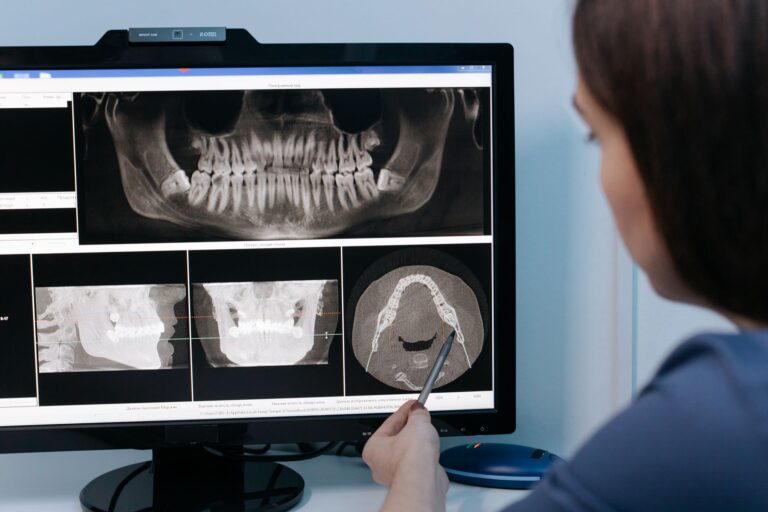
The quality and timing of radiographs are critical to the expert’s ability to form an opinion. In accordance with the principles set out in Bolam v Friern Hospital Management Committee and refined by Bolitho v City and Hackney Health Authority, the expert must determine whether the clinician’s actions represented a responsible body of professional opinion. This requires clear radiographic evidence to confirm the clinical situation at the material time.
Solicitors should aim to obtain the full dental record, including:
- Pre-operative radiographs demonstrating the initial pathology.
- Length control radiographs used during the instrumentation phase.
- Final post-obturation radiographs to assess the sealing of the canal system.
- Any subsequent radiographs taken to monitor resolution of periapical radiolucency.
It is important to note that assuming negligence based on the presence of residual radiolucency alone can lead to errors in litigation strategy. The expert witness will evaluate whether the radiographic findings are consistent with the clinician’s contemporaneous notes and whether the decision to proceed with treatment, or to refer for specialist endodontic care, was clinically defensible.
Distinguishing Breach from Causation
A primary pitfall in endodontic claims is the confusion between breach of duty and the causation of the injury. Even where a breach is established, such as an instrument fracture, the expert must consider whether the clinical outcome would have been different had that breach not occurred. Under the ordinary ‘but-for’ analysis, the court must be satisfied that the claimant has suffered an actionable loss as a direct result of the clinical failure. In cases where there was significant pre-existing disease or where the tooth was already compromised, proving that the negligence was the effective cause of tooth loss is a complex evidential exercise.
Experts also encounter difficulties where the records are incomplete, making it difficult to verify the clinical justification for specific treatment interventions. In such circumstances, the expert may be required to opine on whether the lack of record-keeping itself constitutes a breach, though this is distinct from the causative impact of the underlying clinical decisions.
Procedures for Instruction and Expert Roles
When selecting an expert, it is vital to match the dental discipline to the specific nature of the claim. Under the principles of CPR Part 35, the expert’s overriding duty is to the court. This duty requires independence, impartiality, and a clear explanation of the clinical reasoning underpinning the opinion.
Instructions should include the full clinical history, relevant radiographs in their native digital format, and any correspondence regarding the patient’s initial complaints. If the court directs that evidence be given by a single joint expert, they are instructed under CPR 35.8. Where the court directs that experts discuss their views, the procedure is governed by CPR 35.12. This process allows experts to narrow the issues and clarify where they agree or fundamentally differ. Experts should undertake this process without pressure to compromise their clinical integrity.
Common Pitfalls in Initial Merits Assessment
Solicitors should be cautious of assuming that a failure in endodontics is automatically negligent. Endodontic procedures carry inherent risks, and outcomes can be affected by factors such as patient compliance, tooth morphology, and systemic health status. Furthermore, relying on the claimant’s subjective recollection of events without the benefit of contemporaneous records is generally insufficient. A well-prepared report addresses whether the initial diagnostic process was adequate, whether the treatment plan was appropriate, and whether the practitioner followed acceptable clinical protocols. When the evidence is equivocal, the expert witness provides the clarity needed to decide whether a claim has realistic prospects of success, ensuring that costs are proportionate.
This article is for general informational purposes only and does not constitute legal or medical advice. Readers should seek appropriate professional guidance.