Expert Witness Responsibilities under CPR 35.10: Report Drafting Standards
The Duty of Independence and Report Content
In civil litigation within England and Wales, the quality and content of an expert witness report are fundamental to the court’s ability to reach a just decision. Under the Civil Procedure Rules (CPR), the expert witness holds a primary responsibility to provide the court with impartial, objective evidence. This duty is explicitly codified in CPR 35.3 and takes precedence over any obligation to the party instructing them. When instructing an appropriately qualified general dental practitioner, legal teams must ensure that the report adheres strictly to the standards set out in CPR 35.10 to ensure admissibility and clarity.
CPR 35.10 mandates that the report must include the details of the expert’s qualifications, the literature or material relied upon, and a statement setting out the substance of all material instructions, both written and oral, on the basis of which the report is written. A failure to disclose these details can result in the court finding the report inadmissible or ordering a revised submission, leading to delay and increased costs.
Clinical Accuracy and Legal Principles
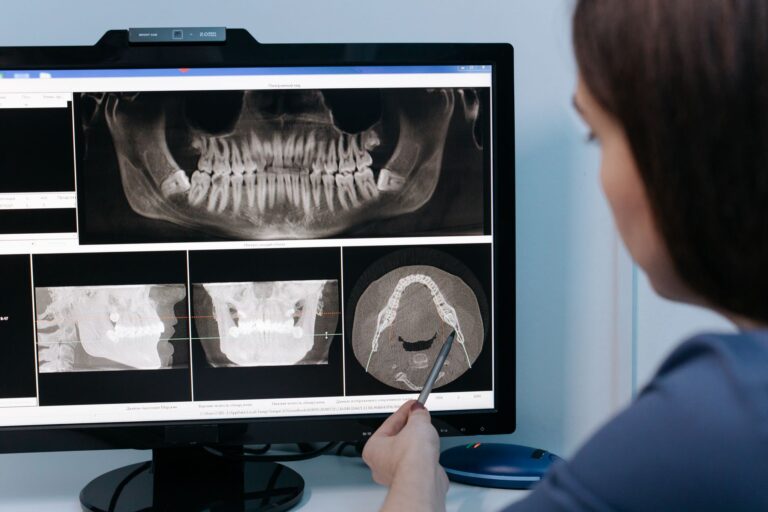
Clinical accuracy is the foundation of these reports. The expert must delineate clinical findings from the opinion offered. When examining records, the expert should interpret radiographic evidence and clinical notes objectively. In cases involving dental negligence, the report must address whether the treatment provided fell below the standard of a reasonable body of dental opinion, applying the principles established in Bolam v Friern Hospital Management Committee [1957] and as refined in Bolitho v City and Hackney Health Authority [1998].
Structuring the Report
A well-structured report begins with an analysis of the clinical records, establishing the chronology. The expert must then address the specific allegations of breach of duty and the subsequent analysis of causation. In matters of causation, the expert must evaluate whether, on the balance of probabilities, the breach caused the harm sustained. This requires a rigorous assessment, ensuring that an adverse outcome is not automatically assumed to be a result of negligence without establishing a direct, causal link between the substandard care and the injury.
Common considerations in report drafting include:
- Accounting for pre-existing conditions, which serve as critical baseline factors in periodontal or restorative assessments.
- Interpreting radiographic changes within the wider clinical context rather than in isolation.
- Addressing the informed consent process in light of Montgomery v Lanarkshire Health Board [2015], focusing on what the patient would have considered material in their specific circumstances.
- Providing a prognosis grounded in evidence to support the quantification of future care needs.
Discipline-Specific Considerations
The choice of expert discipline is vital to the report’s robustness. An orthodontic specialist is required for claims involving complex treatment progress, while a surgical expert is appropriate for assessing pre-operative site confirmation. The expert must ensure their evidence remains within their area of expertise, as defined by their professional registration. Where a case involves overlapping disciplines, such as an oro-antral communication occurring during extraction, the expert should acknowledge these boundaries and, if appropriate, note where additional expert input may be required.
Procedural Mechanisms
While CPR 35.10 governs the report itself, other rules manage the evolution of evidence. CPR 35.12 allows for discussions between experts, directed by the court or arranged where appropriate, to identify areas of agreement and disagreement. This process is distinct from the instruction of a single joint expert. Where a single joint expert is used, they are appointed under CPR 35.7, and their instructions are governed by CPR 35.8. Additionally, CPR 35.6 allows for proportionate written questions to be put to an expert for the purpose of clarification. These questions should not be used as a method to re-argue the case. Medical Expert Chambers’s guidance on general dentist examines the same instruction questions in more depth.
To ensure a report is of the highest evidential value, solicitors should provide a comprehensive, paginated bundle of clinical records. Asking the expert to address specific, non-leading questions can help focus the report on the central legal issues. By ensuring the expert is provided with all relevant background information, the resulting report will be better placed to withstand judicial scrutiny.
This article is for general informational purposes only and does not constitute legal or medical advice. Readers should seek appropriate professional guidance.