Applying CPR 35.10 when assessing condition and prognosis in complex orthodontic claims
In complex dental claims involving orthodontic treatment, the expert witness report serves as a foundational element for the assessment of damages. Adherence to the requirements of CPR 35.10 is essential for ensuring that the court receives clear, evidence-based data regarding the claimant’s current condition and the likely long-term prognosis. In cases where the trajectory of orthodontic care is contested, the expert provides a narrative that moves beyond general clinical observations and offers analysis of the specific harm, its impact on the dentition, and the anticipated future requirements for maintenance or corrective intervention.
The medico-legal focus of the condition and prognosis report
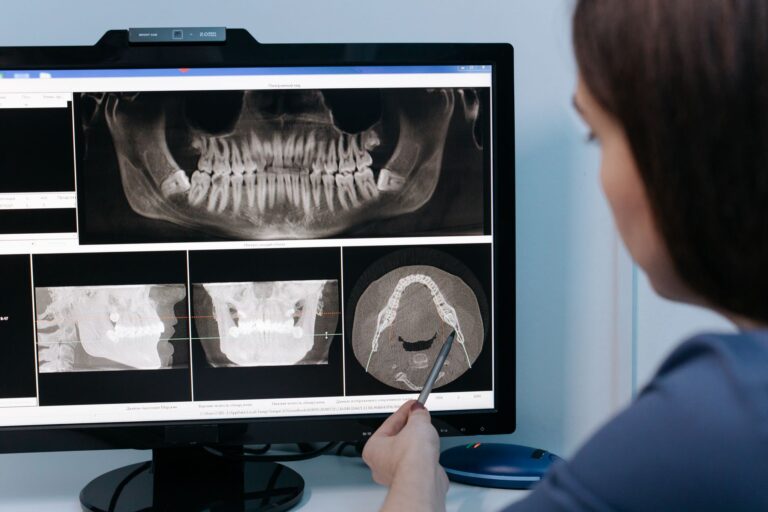
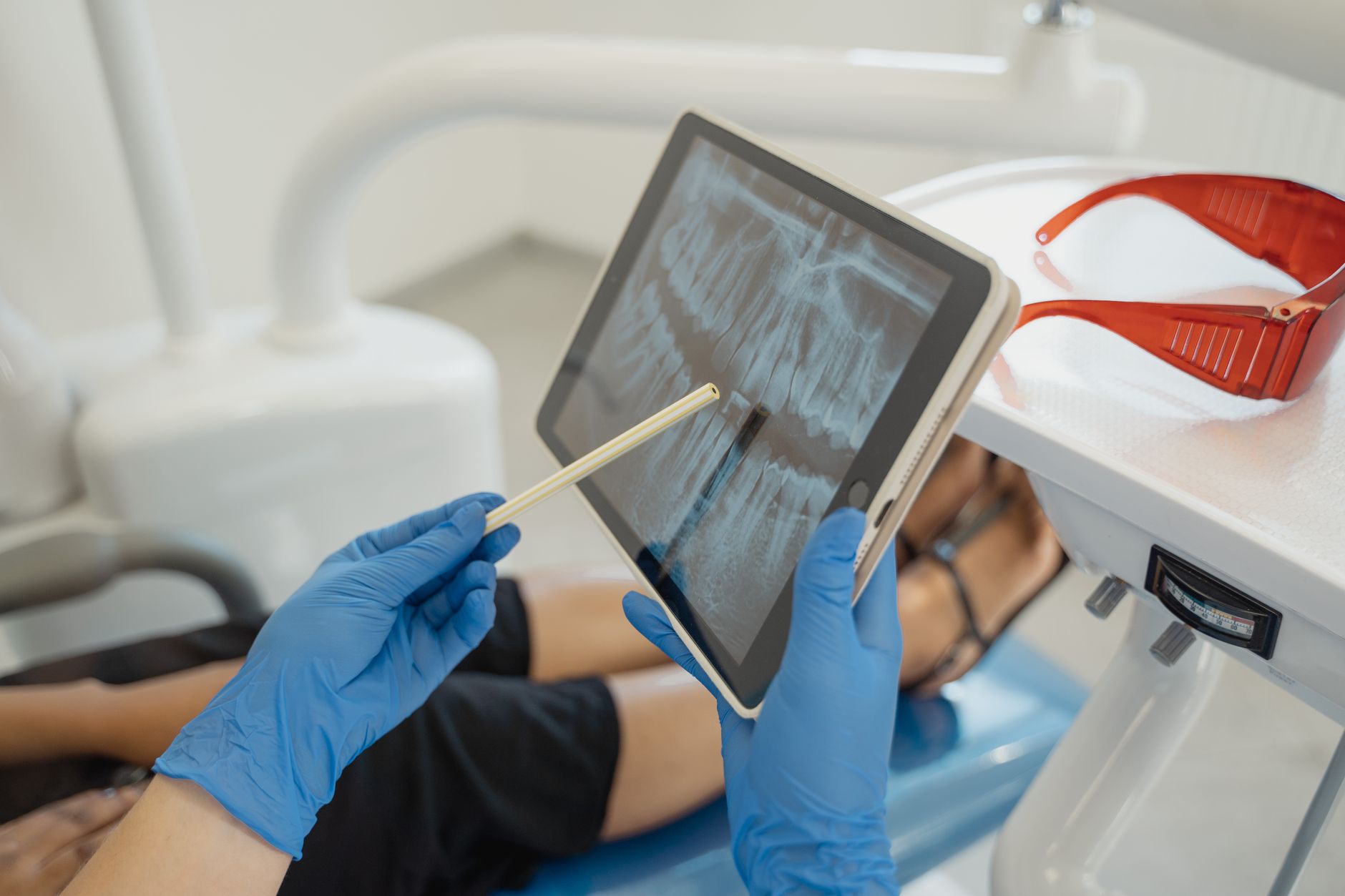
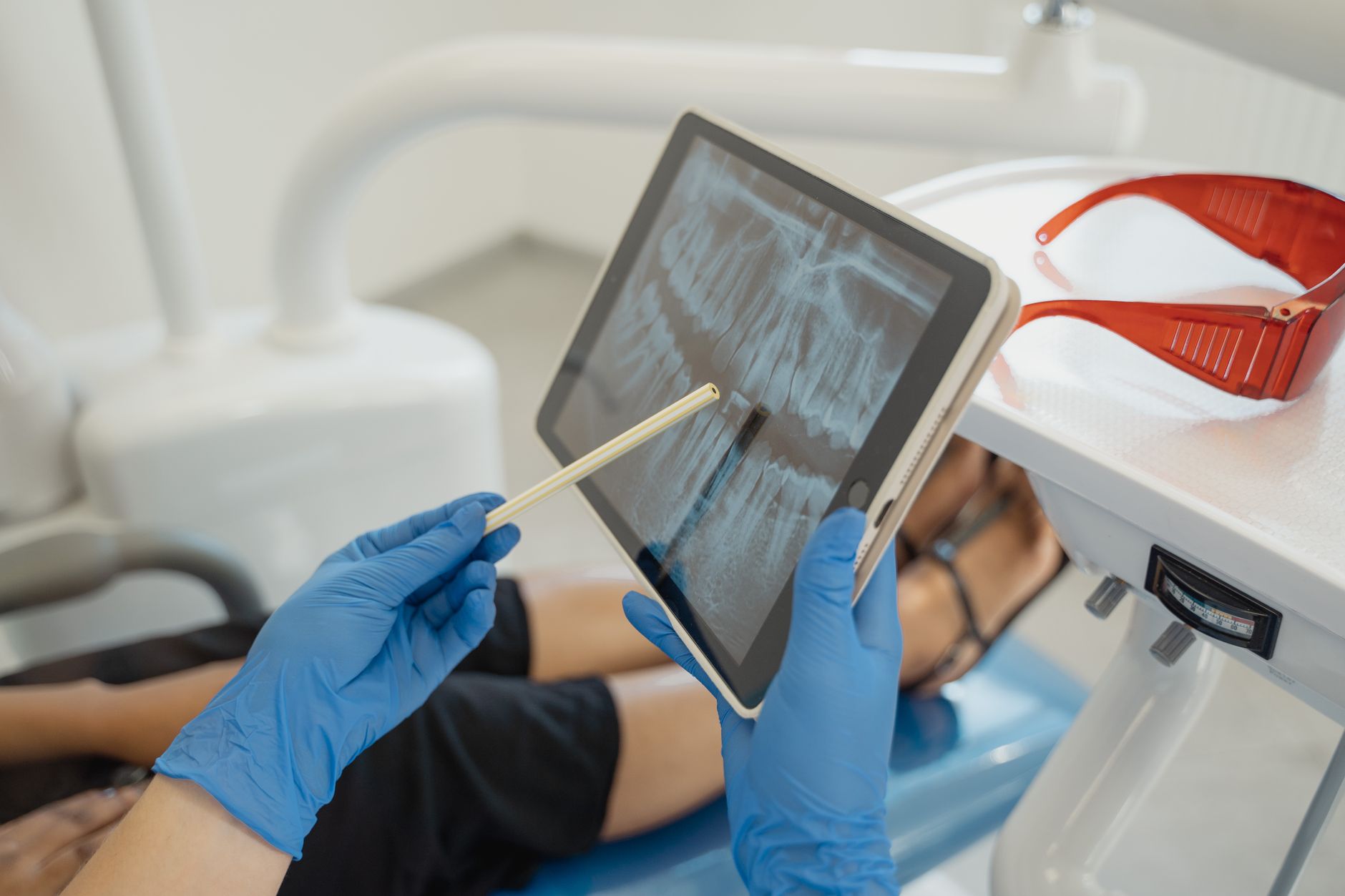
Under CPR 35.10, an expert report provides details of the expert’s qualifications, the substance of all material instructions, and the evidence upon which the opinion is based. In the context of orthodontics, this requires a structured evaluation of the treatment provided against the documented clinical baseline. The assessment of condition necessitates a comprehensive review of the clinical notes, orthodontic records, and serial radiographs taken before, during, and after the intervention. When clinicians provide a formal evaluation of dentofacial relationships and treatment outcomes through instruction, the report specifies the diagnostic criteria used to categorise findings, such as the presence of white spot lesions, root resorption, or premature relapse.
Prognosis involves clinical judgement regarding the stability of the result and the necessity for future dental management. The expert distinguishes between naturally occurring relapse, for which the patient may have been consented, and harm potentially attributable to a deviation from an appropriate standard of care. This distinction is critical where pre-existing malocclusions complicate the long-term dental health. An effective report defines the scope of future restorative or corrective treatment required as a result of the alleged breach, while excluding costs related to the natural progression of the patient’s original condition.
Common evidential challenges in orthodontic claims
A frequent challenge in orthodontic litigation is the assessment of causation where periodontal health or gingival attachment was compromised during fixed appliance therapy. The expert scrutinises the monitoring intervals and the patient’s compliance with oral hygiene measures as documented in the records. Where clinical notes lack evidence of regular review of hygiene, or fail to document the identification of decalcification, the expert weighs this against the risks associated with orthodontic mechanics.
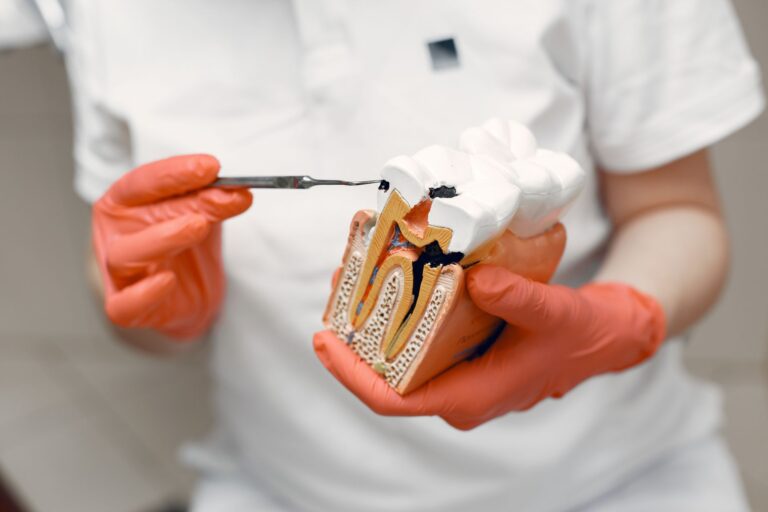
Over-reading radiographic evidence is a known risk. In claims involving apical root resorption, the expert ensures that the degree of resorption is quantified using established clinical markers rather than subjective assessment alone. It is relevant to determine whether the resorption is within the anticipated range for the duration of the treatment or if it represents a response that should have triggered a modification in the treatment plan. A lack of evidence in the clinical records regarding the discussion of such risks at the outset of treatment impacts the court’s assessment of whether the patient’s consent was informed under the principles established in Montgomery v Lanarkshire Health Board [2015].
The role of the expert witness and procedural considerations
The selection of an appropriate expert witness is paramount. While orthodontics is a distinct GDC specialty, complex claims may involve the interface between orthodontics and periodontics or restorative dentistry. Where the primary issue concerns the failure of an integrated treatment plan, an expert with relevant experience in both the orthodontic mechanics and the long-term restorability of the teeth is often indicated. To identify a professional with suitable expertise, solicitors may consult specialists in restorative dentistry who are familiar with the interplay between orthodontic outcomes and long-term tooth survival. Expert witness duties are governed by CPR 35.3, which requires the expert to provide an overriding duty to the court that takes precedence over any obligation to the instructing party.
In proceedings where parties instruct separate experts, the court may direct them to engage in discussions under CPR 35.12 to clarify issues and provide a joint statement. This is distinct from the appointment of a single joint expert under CPR 35.7, where the expert receives instructions pursuant to CPR 35.8. The primary purpose of a joint statement is to identify the areas of consensus and the specific nature of any disagreement, which can narrow the scope of evidence required at trial.
Practical guidance for instructing solicitors
To facilitate a comprehensive condition and prognosis report, solicitors ensure the following evidence is available for expert review:
- A complete, chronological set of dental records, including all correspondence between the treating orthodontist and the patient or referring practitioner.
- Copies of all relevant radiographs, including initial orthopantomograms, lateral cephalograms, and any intra-oral radiographs taken during the treatment course.
- Evidence of the informed consent process, including signed consent forms and contemporaneous notes of discussions regarding the risks of treatment.
- A detailed list of the patient’s presenting concerns, specifically those related to the functional and aesthetic outcomes of the treatment.
When drafting questions to an expert under CPR 35.6, solicitors focus on the nexus between the breach of duty and the current clinical status. Asking the expert to isolate the ‘but-for’ state is generally more productive than requesting a broad opinion on the outcome of the treatment as a whole. A clear, objective report that links the clinical findings directly to the evidence, while acknowledging the limitations of prognostication in biological systems, serves as a primary tool for case resolution.
This article is for general informational purposes only and does not constitute legal or medical advice. Readers should seek appropriate professional guidance.