The Legal Implications of Remote Orthodontic Monitoring for Breach of Duty
The integration of remote orthodontic monitoring into treatment pathways has introduced complexities regarding the standard of care and the scope of a clinician’s duty. In civil litigation and regulatory proceedings, the fundamental question concerns whether the substitution of physical clinical review with digital monitoring systems constitutes a departure from the standard expected of a reasonably competent orthodontic practitioner.
Clinical Context and Diagnostic Limitations
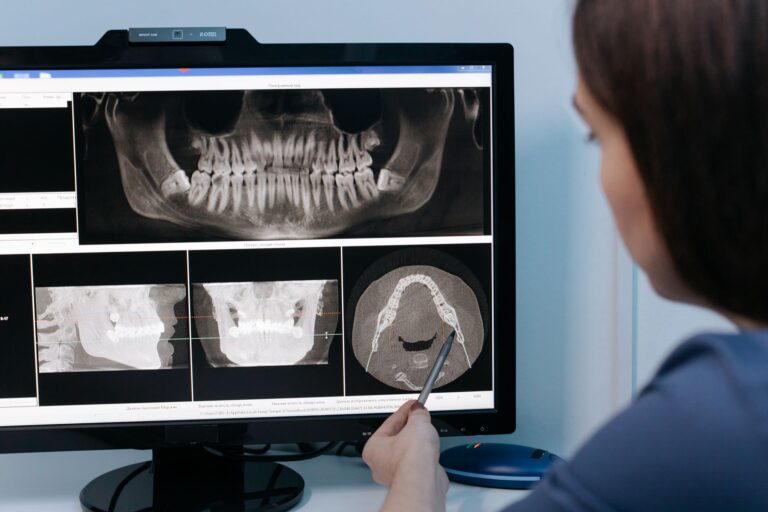
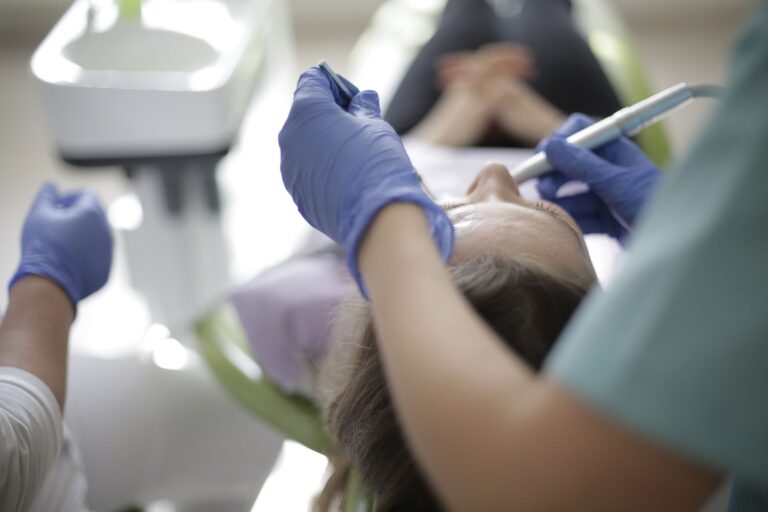
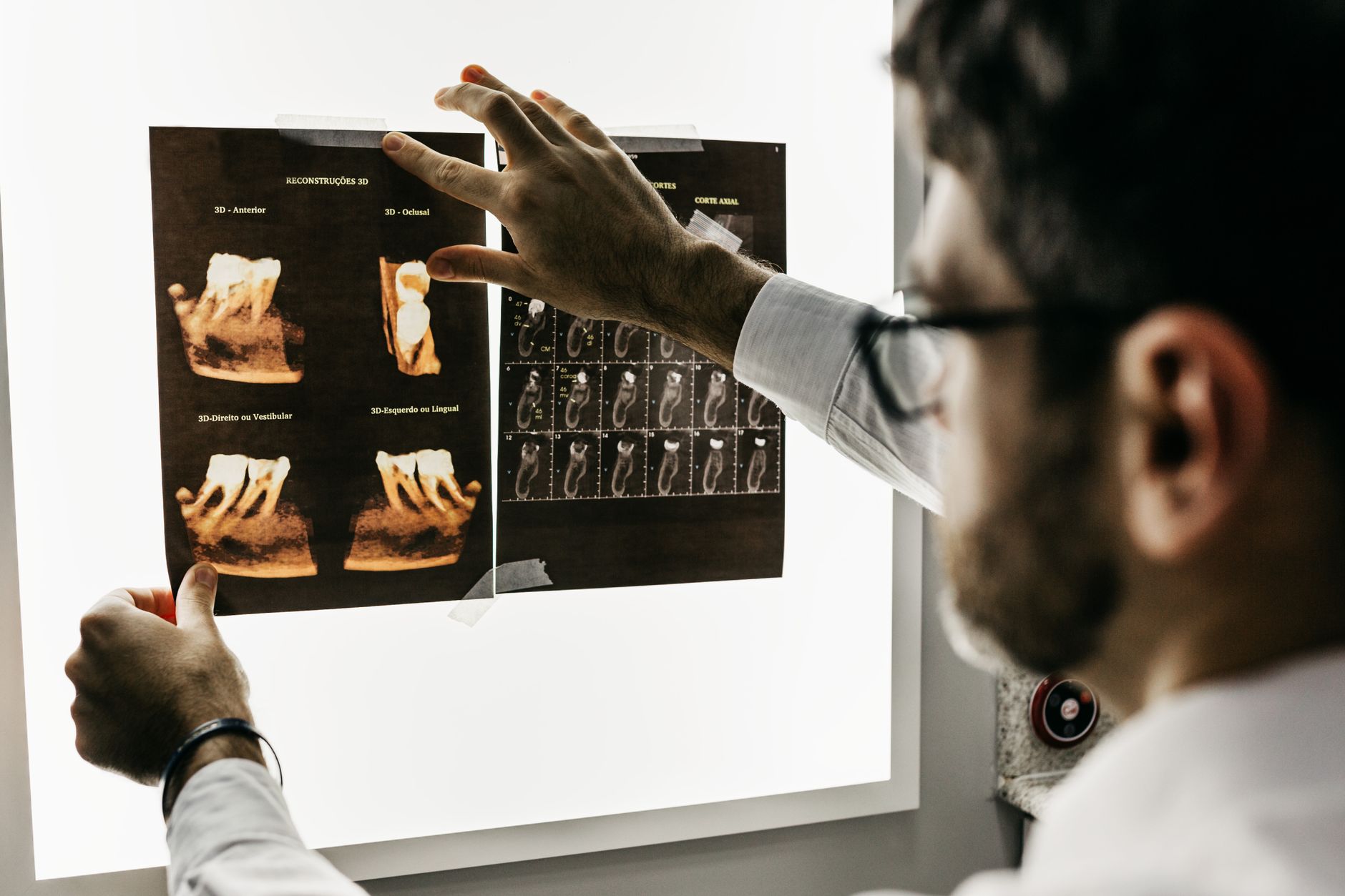
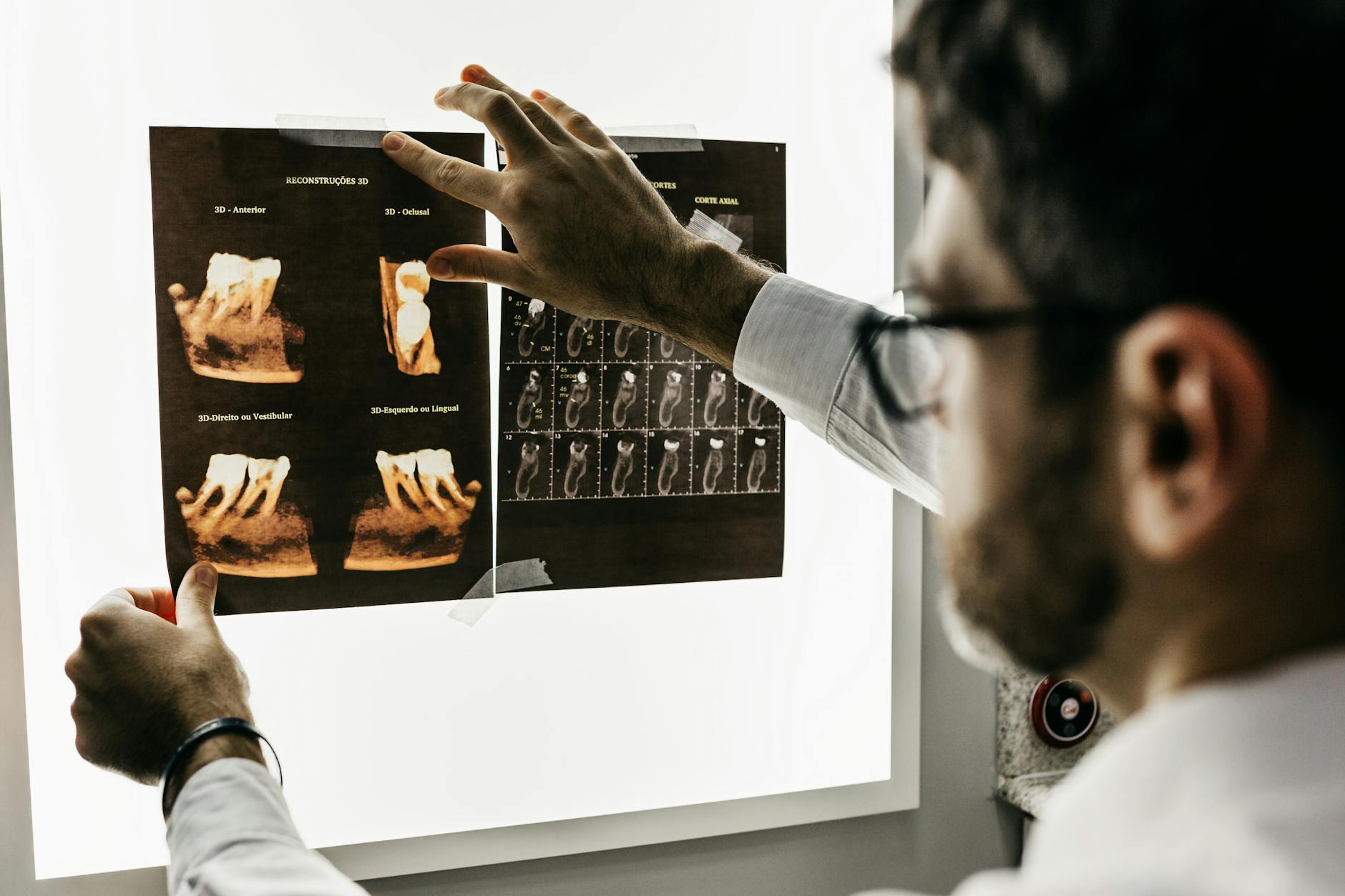
Orthodontic treatment relies upon assessment, including the evaluation of periodontal health, root morphology, and occlusal stability. Traditional practice involves regular physical review, which enables the clinician to detect complications such as root resorption, gingival recession, or unexpected tooth movement. Remote monitoring often relies on patient-acquired photographs or scan data transmitted via digital applications. While these tools can assist in tracking aligner seating, they possess inherent limitations regarding the assessment of deep tissue health and radiographic changes.
A consideration in breach of duty claims is the justification for relying on remote data when clinical indicators of failure are not visually apparent. If an expert finds that a patient’s periodontal status required physical assessment that remote monitoring could not provide, the reliance on digital screening alone may be scrutinised as a failure to meet the standard of a competent practitioner. Engaging specialist clinicians for orthodontic case review is essential in determining whether the diagnostic pathway was sufficiently robust to identify emerging pathologies at an appropriate stage.
Breach of Duty and the Bolam-Bolitho Test
In English civil law, the assessment of negligence is guided by the principles established in Bolam v Friern Hospital Management Committee [1957] and Bolitho v City and Hackney Health Authority [1998]. An orthodontic expert witness must consider whether the monitoring protocol was supported by a responsible body of clinical opinion. However, the expert must also address whether the chosen monitoring system was logically defensible in the context of the specific patient’s risks. If a clinician opts for a remote-only model for a case involving pre-existing bone loss or complex root morphology, the court may question whether this choice is consistent with reasonable clinical judgement.
Breach of duty is not established simply because a remote monitoring pathway was used. It requires evidence that a physical clinical examination would have revealed a risk or complication that the remote data masked, and that the failure to perform that examination was a departure from professional standards. Instructing solicitors should focus on whether the treatment plan included clear criteria for when a patient must be transitioned from a remote model to a face-to-face consultation.
Common Pitfalls in Medico-Legal Casework
A frequent error in these claims is the assumption that the monitoring method itself is the primary cause of damage. Causation often turns on whether, on the balance of probabilities, a timely physical intervention would have altered the clinical outcome. Experts must delineate between complications inherent to orthodontic movement and those that result from inadequate supervision.
- Inadequate baseline data: Claims often arise where pre-treatment radiographs were not obtained or were insufficient to assess the suitability for the proposed therapy.
- Consent and risk: Under Montgomery v Lanarkshire Health Board [2015], clinicians have a duty to inform patients of material risks. In remote models, there may be a question of whether the patient was adequately warned about the limitations of remote supervision compared to conventional care.
- Record-keeping: The General Dental Council Standards for the Dental Team require meticulous record-keeping. The lack of a formal, accessible, and contemporaneous log of digital monitoring reviews can weaken a clinician’s defence in a breach of duty claim.
Proposing Expert Evidence
Solicitors should consider the specific nature of the allegation when selecting an expert. Where the dispute involves allegations of impaired fitness to practise, the expert evidence must align with the specific Dentists Act 1984 framework, focusing on whether the registrant’s conduct fell below the required standard. Under CPR Part 35, the expert’s primary duty is to the court (35.3), and the report must be balanced. Questions posed under CPR Part 35.6 should be proportionate and directed at clarifying the clinical rationale behind the chosen monitoring intervals and the thresholds set for physical intervention.
If a single joint expert is appointed under CPR 35.7, they are instructed in accordance with CPR 35.8. An SJE provides a single, neutral report and does not engage in a joint statement process with a second expert, as they are the sole source of expert evidence for that discipline. In cases of complex orthodontic disputes, an objective assessment of whether a remote system served as an adequate proxy for clinical oversight provides the necessary evidence for the court to determine if a breach of duty occurred.
This article is for general informational purposes only and does not constitute legal or medical advice. Readers should seek appropriate professional guidance.