Assessing causation in delayed diagnosis of oral pathology: Applying the Bolitho test
The intersection of diagnostic failure and causation
In clinical negligence litigation, the distinction between a diagnosable condition and its subsequent progression represents a high-stakes medico-legal focus. Where an oral pathology is identified late, the central task for the instructing solicitor is to determine whether the delay materially influenced the clinical outcome. The application of the Bolitho test, particularly where the professional opinion on diagnostic practice is challenged, is fundamental to this analysis.
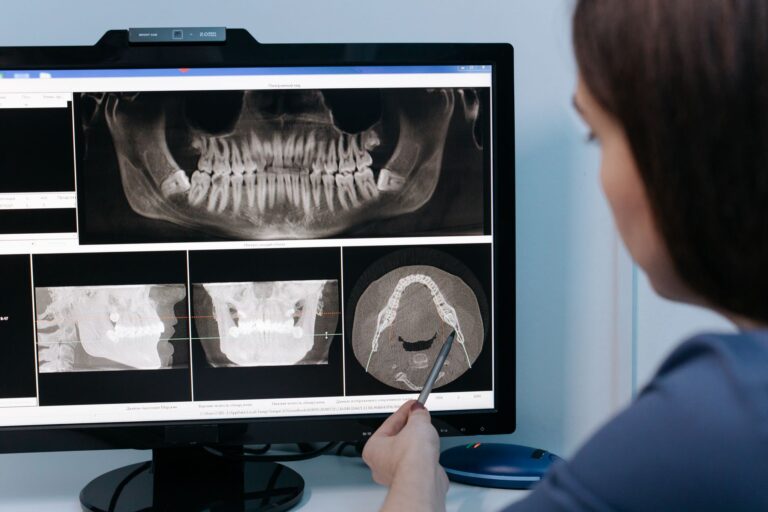
Establishing negligence in the context of oral pathology requires more than identifying a deviation from acceptable clinical practice. It necessitates a demonstration of causation; specifically, that a different, earlier approach would likely have resulted in a better outcome for the claimant. In dental medico-legal practice, this often involves dissecting the interval between the first symptomatic presentation, or radiographic marker, and the eventual definitive diagnosis. The expert must scrutinise the quality of the record-keeping and the adequacy of the investigation performed at the time. A primary challenge is differentiating between unavoidable disease progression and a preventable one.
When assessing whether an earlier referral or biopsy would have altered the prognosis, experts consider the pathology’s natural history. If the evidence indicates that the treatment required would have been fundamentally the same regardless of a shorter delay, the claim for causation may face significant hurdles under the ‘but for’ test established in cases such as Barnett v Chelsea and Kensington HMC. Conversely, where a delay results in the need for complex surgical reconstruction or a reduction in disease-free survival, the expert evidence becomes critical to assessing quantum.
Applying the Bolitho test to clinical practice
The Bolitho v City and Hackney Health Authority test serves as the mechanism by which the court assesses whether a clinician’s practice, while supported by a body of professional opinion, is logically defensible. In dentistry, this often relates to whether the failure to request a specific radiograph or to refer a lesion for biopsy constitutes a breach of duty. The expert witness must explain whether the decision to monitor rather than investigate was grounded in a logical clinical rationale at the time. If the court finds the chosen path to be not logically supportable, the protection of the Bolitho test is lost, and the focus shifts to whether this breach caused the harm complained of.
For those managing complex cases, involving an oral maxillofacial surgeon to review the staging and management protocols can clarify whether the timing of intervention aligned with established professional standards. This specialist insight is particularly pertinent where the delay involves systemic risks or deep tissue involvement, areas where the anatomical knowledge and surgical experience of the specialist are distinct from general dental practice.
Common pitfalls in expert instructions
- Instructing the wrong discipline: Relying on a general dental practitioner to comment on the management of malignant or pre-malignant lesions can lead to reports that lack the necessary depth regarding oncology pathways or advanced surgical reconstruction.
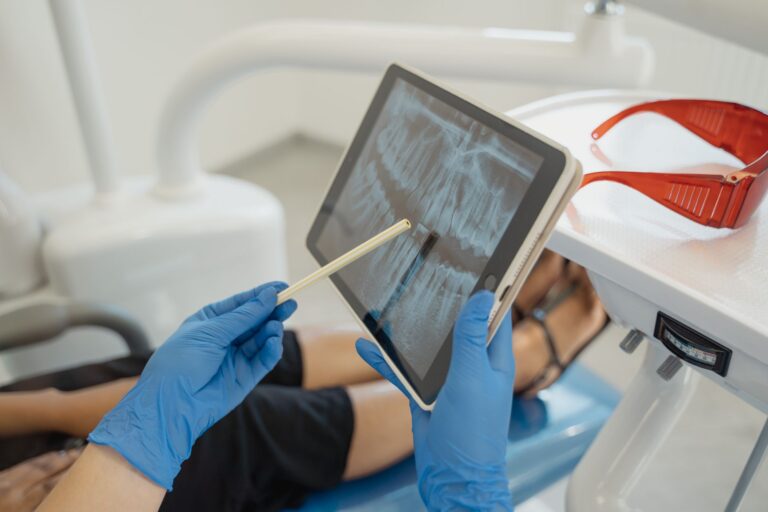
- Hindsight bias in radiographs: There is a risk where experts identify pathology on a retrospectively examined radiograph that was not readily apparent, or was within the range of normal variation, at the time the clinician saw it.
- Inadequate baseline assessment: Cases may encounter difficulties where there is an absence of sufficient longitudinal data, such as previous clinical photographs or clear written entries, preventing the expert from establishing the true baseline of the pathology.
- Confounding factors: Failure to account for factors like smoking, alcohol consumption, or co-morbidities can distort the causation analysis, especially when attempting to calculate the specific impact of a diagnostic delay on the overall prognosis.
Practical guidance for the medico-legal process
To ensure a report meets the requirements of CPR Part 35, experts should be provided with a complete set of contemporaneous records, including historical radiographs. The instruction should invite the expert to address whether, on the balance of probabilities, an earlier intervention would have prevented the specific damage suffered. Where there are significant gaps in documentation, the expert should be asked to comment on the clinical significance of these omissions.
Where two parties instruct experts, they may participate in the process of producing a joint statement under CPR 35.12, if directed by the court or where appropriate. This procedure allows for the identification of areas of agreement and a narrowing of the areas of disagreement. It is important that these discussions remain focused on the clinical evidence and logical consistency. The expert’s overriding duty to the court, as set out in CPR 35.3, necessitates a neutral and objective assessment of the evidence.
When a court directs a single joint expert under CPR 35.7, the process relies on clear instructions under CPR 35.8. These questions should be proportionate, as per CPR 35.6, and designed to elicit the expert’s clinical opinion on the diagnostic process without steering the expert towards a predetermined conclusion. An expert report in these cases serves as a clinical evaluation of a specific practitioner’s judgment at a specific point in time.
This article is for general informational purposes only and does not constitute legal or medical advice. Readers should seek appropriate professional guidance.