Documenting Implant Success and Failure: A Solicitor’s Checklist for Expert Instruction
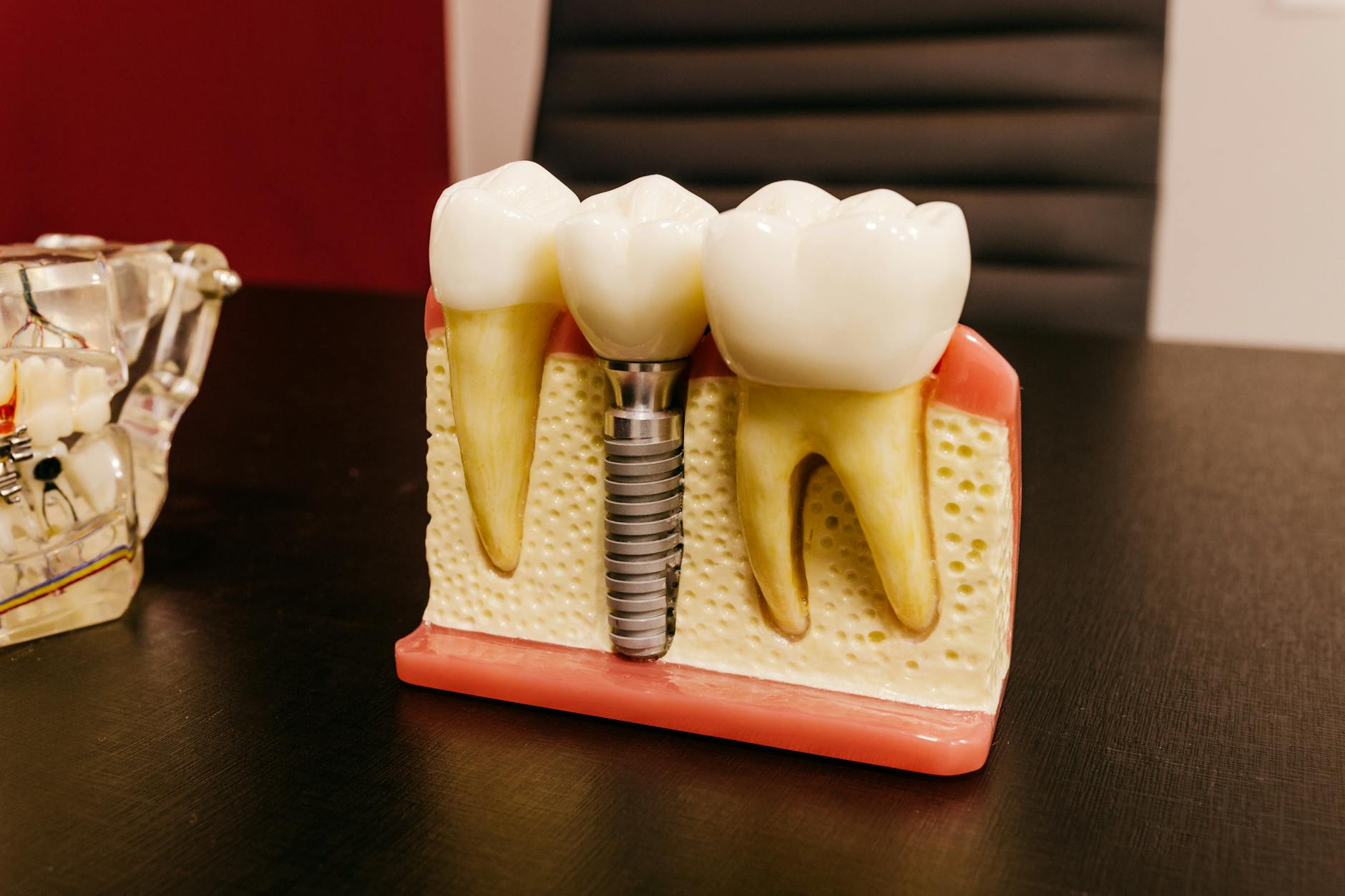
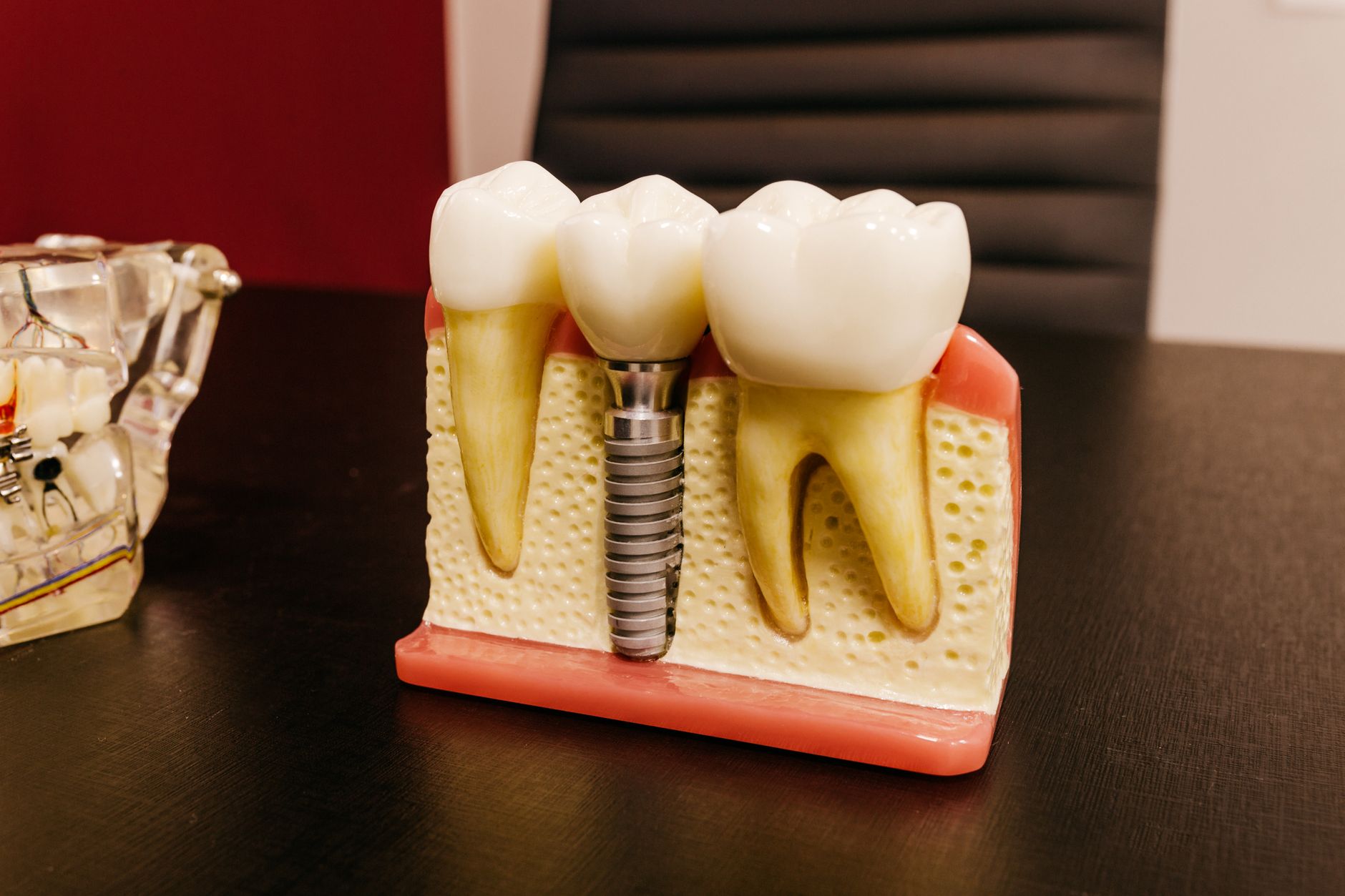
Dental implant claims frequently involve a complex interaction between biological, prosthetic, and surgical factors. For solicitors, the ability to construct a robust case rests upon the systematic collation of clinical and radiographic evidence. Early engagement with a consultant or specialist practitioner in dental implantology provides the necessary scrutiny of records to determine whether an adverse outcome resulted from a departure from acceptable standards or from known, inherent risks associated with the procedure.
The Clinical Foundation: Evidence Requirements
An expert witness requires a comprehensive set of records to form a sound opinion on breach of duty and causation. Incomplete records often obscure the sequence of events. Solicitors should ensure the following documentation is retrieved at the outset of the investigation:
- Pre-operative assessment records: Evidence of clinical examination, periodontal status, and assessment of systemic factors such as smoking status or comorbidities.
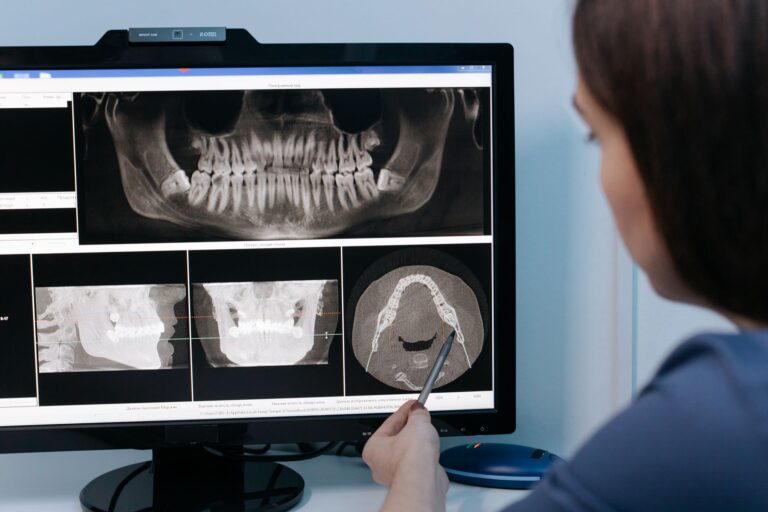
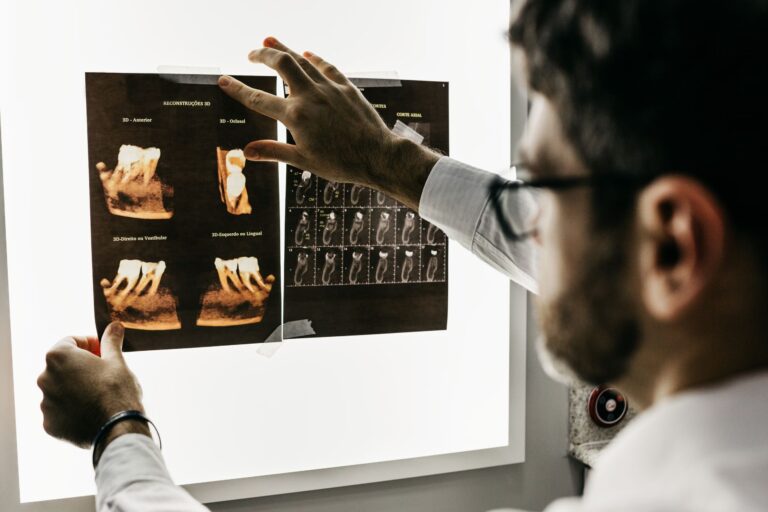
- Diagnostic imaging: Original DICOM files for any CBCT scans, as well as panoramic or periapical radiographs. Radiographic justification, including the assessment of bone volume and proximity to anatomical structures, remains a focal point for expert review.
- Treatment planning documentation: Evidence of the options discussed, the risks explained, and the informed consent process.
- Intra-operative records: Detailed accounts of the surgical procedure, including placement parameters, primary stability, and any documented variations from the initial plan.
- Post-operative and maintenance history: Records of review appointments, peri-implant probing, and any subsequent management of mucositis or peri-implantitis.
Distinguishing Breach, Causation, and Prognosis
Legal teams must distinguish between a clinical failure and a breach of duty. Under the principles established in Bolam v Friern Hospital Management Committee [1957] and Bolitho v City and Hackney Health Authority [1998], an adverse outcome is not synonymous with negligence. An expert must consider whether the treatment performed was supported by a responsible body of professional opinion. Causation, particularly in cases involving pre-existing periodontal disease or bone loss, requires a rigorous analysis of whether the implant failure was the result of a specific clinical error or the natural progression of patient-specific pathologies.
Where a claimant presents with loss of bone height or implant integration issues, the expert evaluates the baseline measurements. If the record-keeping prior to placement was inadequate, the expert may find it difficult to satisfy the court on the issue of causation. Documenting the timing of failure and the presence of inflammatory markers is central to determining the long-term prognosis. The same evidential ground is covered from a different angle in Medical Expert Chambers’s dental implant surgeon guidance.
Common Pitfalls in Expert Instruction
A frequent error is selecting an expert without the requisite experience in the specific sub-discipline relevant to the claim. For instance, a claim involving nerve injury requires an expert with extensive experience in oral surgery or implantology who understands the anatomy of the inferior alveolar nerve and the standards for pre-operative radiographic assessment. Conversely, a claim relating to the failure of a complex implant-retained bridge may require a restorative dental expert.
Solicitors should be wary of over-reading radiographs. An expert must interpret imaging within the context of the clinical examination. An instruction that asks an expert to comment solely on images, in isolation from clinical notes, may result in an opinion that does not reflect the realities of the patient’s care. Furthermore, solicitors must ensure that the expert addresses the requirements of CPR Part 35, particularly the overriding duty of the expert to the court under CPR 35.3.
Managing Procedural Requirements
When two or more experts are instructed, their dialogue is governed by CPR 35.12, which facilitates discussions and the preparation of a joint statement. This process is intended to narrow the issues and assist the court. If the claim is of a nature where a single joint expert is deemed appropriate under CPR 35.7, the instructions provided under CPR 35.8 must be clear, proportionate, and agreed upon by all parties. Where ambiguity exists in the evidence, an expert may use CPR 35.14 to request directions from the court.
When addressing quantum or future dental care, the expert provides evidence of the necessity and estimated cost of remedial treatment. It is the responsibility of the legal team to assess general damages, while the expert provides the clinical evidence of condition, prognosis, and the scale of future needs. Ensuring that the expert instructions focus on these specific requirements, supported by a complete clinical history, creates the most stable foundation for litigation.
This article is for general informational purposes only and does not constitute legal or medical advice. Readers should seek appropriate professional guidance.