Addressing Causation Questions in Complex Dental Infection Claims
The Nature of Dental Infection Causation
Dental infection claims present significant challenges in civil litigation, particularly where the claimant presents with multi-factorial oral pathology. Determining whether an adverse clinical outcome, such as the loss of a tooth or the progression of an odontogenic infection to systemic sepsis, is a direct consequence of a specific breach of duty requires a rigorous analytical approach. For the instructing solicitor, the core task is to test the causal link between a clinician’s act or omission and the damage suffered.
In cases involving endodontic, periodontal, or post-surgical infection, causation analysis often hinges on the distinction between the natural progression of an underlying disease and a failure of clinical management. Establishing causation requires satisfying the ‘but-for’ test, as set out in Barnett v Chelsea and Kensington HMC [1969]. The expert must scrutinise whether the injury would have occurred had the alleged breach not taken place.
Dental infection, such as apical periodontitis or peri-implantitis, is frequently cumulative. Where a patient has a history of long-standing periodontal disease or prior failed endodontic treatment, determining the relative contribution of different factors is essential. An expert will evaluate the baseline health of the dentition, the quality of previous interventions, and the timing of clinical failures. Isolating these variables is necessary to assess whether the defendant’s treatment made a material contribution to the eventual loss of the tooth or the development of a chronic infection.
Selecting the Appropriate Expert Discipline
Instructing the correct specialist is paramount to ensuring that expert evidence is sound and compliant with CPR Part 35. A generalist perspective may lack the required depth for complex cases involving overlapping pathologies. For instance, in cases involving failing complex restorations, a dentist with specialist knowledge in prosthodontics or endodontics may be required. Similarly, if a case involves complications from fixed appliance therapy, a report from an orthodontist specialising in complex tooth movement may be necessary to parse whether decalcification or root resorption was an inherent risk of treatment or the result of inadequate monitoring.
Where the injury involves jaw fracture, complex space infection, or oro-antral communication, an oral and maxillofacial surgeon who holds GMC registration may provide the necessary clinical oversight. It is important to distinguish between areas of practice, as ‘specialist’ status is regulated by the GDC and should be verified against their registers before instruction.
Evidentiary Requirements and Clinical Records
The strength of a causation argument is tied to the quality of the clinical records and radiographic evidence. Solicitors should provide the expert with:
- Comprehensive patient records, including consultation notes, referral letters, and correspondence.
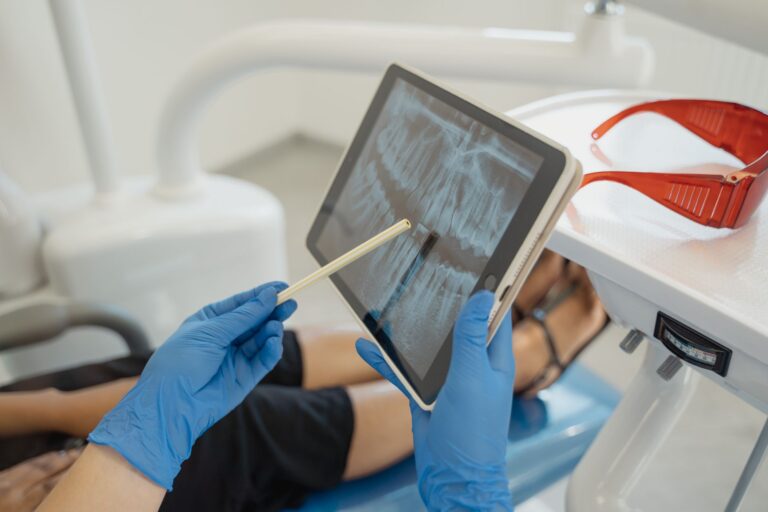
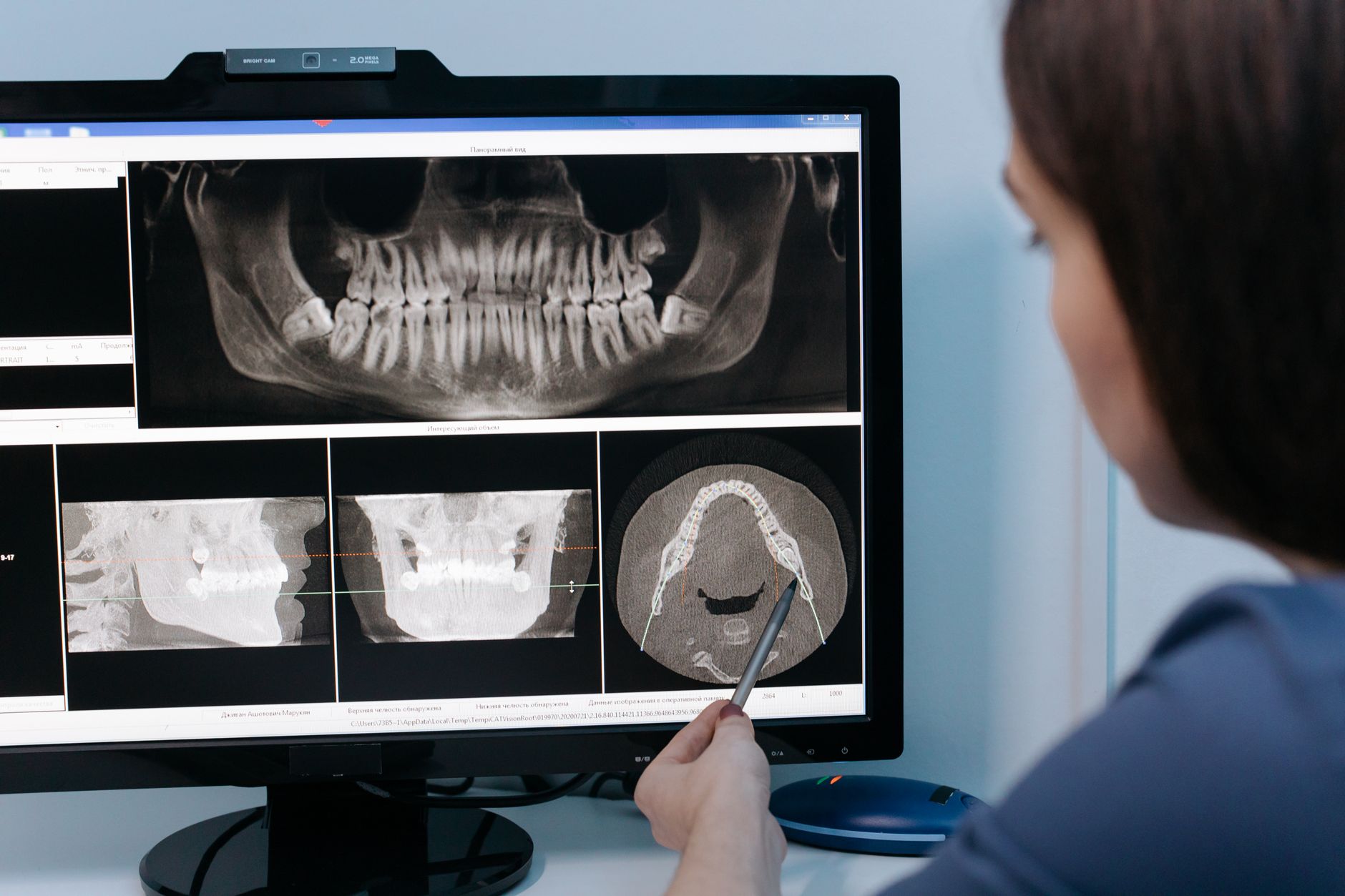
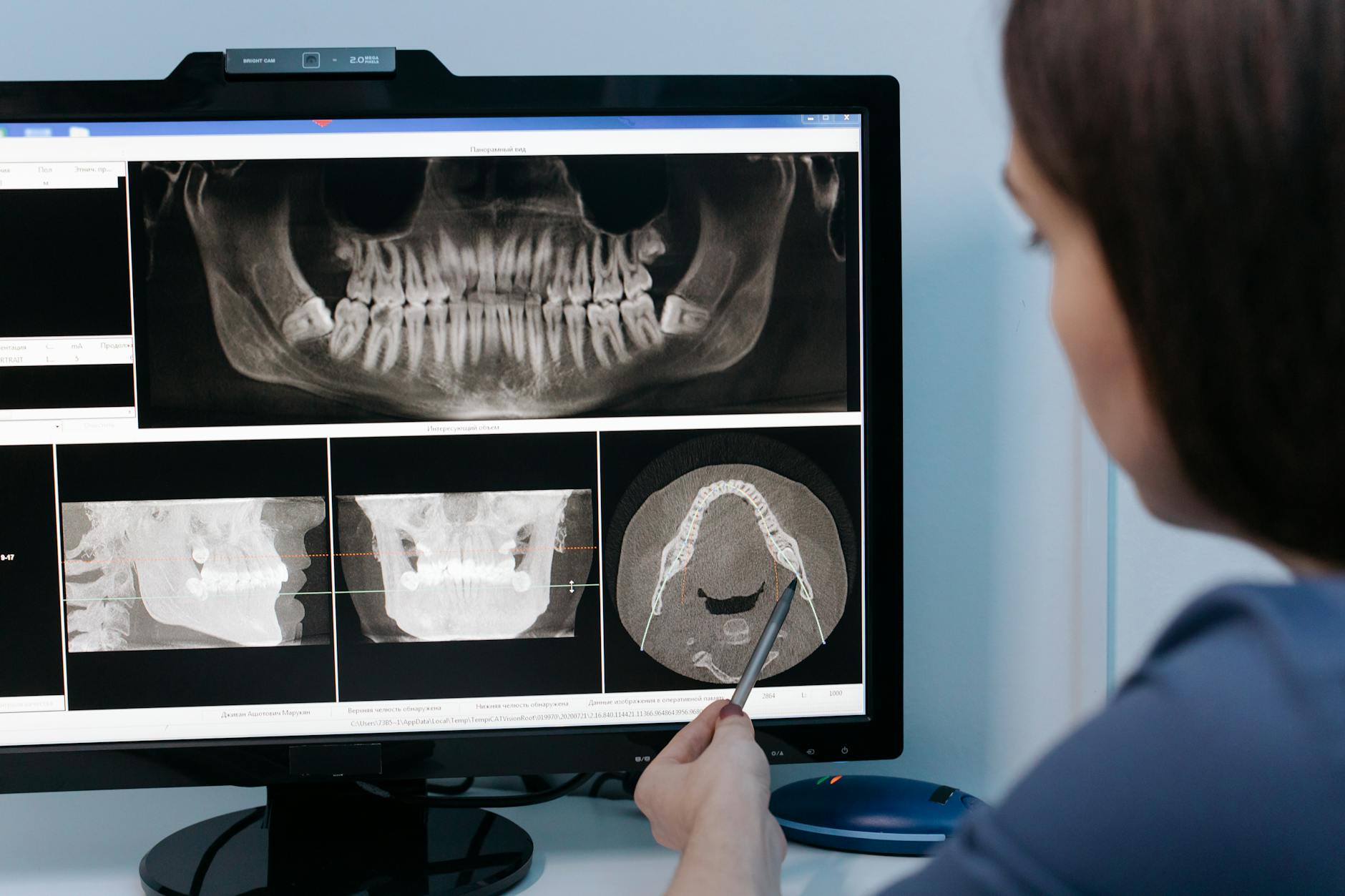
- A complete series of diagnostic radiographs, including bitewings, periapicals, and any relevant panoramic or CBCT imaging.
- Details of the patient’s medical history, particularly conditions that act as confounders, such as uncontrolled diabetes or smoking, which can influence the prognosis of endodontic and periodontal treatments.
Evidence of a breach of duty, such as a missed canal in endodontic treatment or the failure to recognise radiographic bone loss, must be supported by contemporary records. Expert opinion often rests on whether a clinician acted according to a responsible body of professional opinion, as per Bolam v Friern Hospital Management Committee [1957].
Common Pitfalls in Causation Analysis
A frequent error in dental litigation is the assumption that an adverse clinical outcome is proof of negligence. The expert must address whether the outcome was a recognised risk of the procedure, provided that the patient gave informed consent. Under the principles from Montgomery v Lanarkshire Health Board [2015], the failure to discuss material risks—such as the risk of nerve injury during the extraction of a third molar—constitutes a significant medico-legal issue, regardless of whether the surgical technique was performed to a standard consistent with Bolam.
Another challenge arises in the assessment of prognosis. If a tooth was already of guarded prognosis due to pre-existing disease, the expert must determine whether the defendant’s actions accelerated the loss of that tooth. In cases of partial success or ‘loss of chance’, the expert must maintain the overriding duty to the court under CPR 35.3 to provide an impartial assessment.
Practical Guidance for Instructing Solicitors
When drafting questions under CPR Part 35.6, solicitors should focus on the causal link between the alleged breach and the injury. Instead of requesting a conclusion on negligence, consider asking the expert to state:
- Whether the clinical findings at the material time, as documented in the records, met the criteria for a specific diagnosis.
- Whether the treatment provided fell below the standard of a competent practitioner in the same field.
- What the likely clinical outcome would have been if the alleged breach had not occurred, and the basis for this prognosis.
For complex claims, an expert discussion under CPR 35.12 may clarify points of dispute between the parties’ experts if directed by the court. If a neutral assessment is required, the court may direct the appointment of a single joint expert under CPR 35.7, and the parties will subsequently agree on instructions under CPR 35.8. Providing clear, chronological instructions and defined areas of dispute will facilitate the production of a report that is proportionate to the issues in the claim.
This article is for general informational purposes only and does not constitute legal or medical advice. Readers should seek appropriate professional guidance.