Managing Cosmetic Dentistry Disputes: Assessment, Expectation and Consent
The Evidential Role of Baseline Assessment
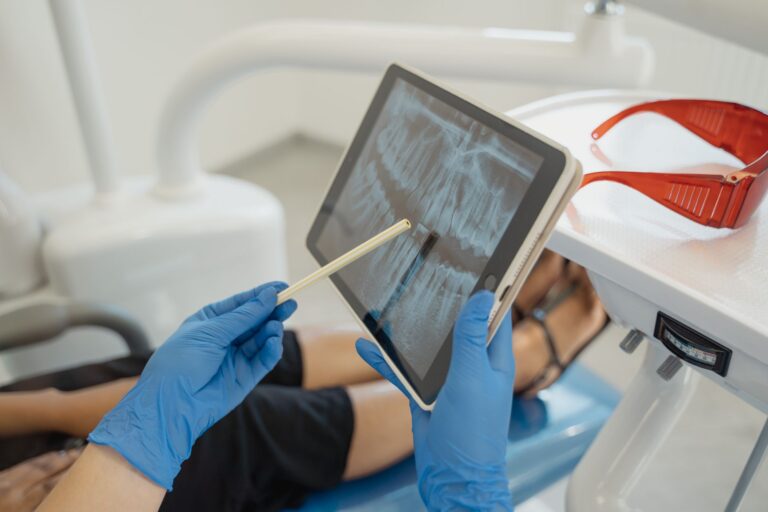
In cosmetic dentistry claims, establishing the pre-existing state of the dentition is a foundational evidential requirement. Negligence is frequently alleged when treatment outcomes fail to align with a patient’s expectations, yet clinical records often lack sufficient detail regarding baseline pathology, tooth morphology, or shade. Without high-quality pre-operative intra-oral photographs, study models, and relevant radiographs, it may be difficult to demonstrate whether clinical preparation was proportionate to the patient’s starting position.
Expert witnesses examine clinical records to determine if a treatment plan was justified. For instance, the reduction of healthy tooth structure for veneers is an irreversible intervention. Failure to evaluate underlying periodontal health or identify structural risk factors prior to preparation is a common area of scrutiny. When instructing an experienced dental expert witness to evaluate such claims, solicitors should ensure the expert is matched to the specific restorative or aesthetic sub-discipline involved, as the standard of care for veneer preparation differs from complex full-mouth rehabilitation.
Consent and the Montgomery Standard
The decision in Montgomery v Lanarkshire Health Board [2015] is pivotal in managing cosmetic disputes. In an elective setting, the duty to disclose risks extends beyond material clinical risks to include the failure to achieve subjective aesthetic goals. Consent is a process rather than a singular event; it requires the clinician to inform the patient of reasonable alternatives, the irreversible nature of tooth preparation, and the potential for future maintenance, including the predictable need for eventual replacement.
Claims often arise where a patient contends they would not have proceeded had they been fully apprised of the limitations or the financial burden of future maintenance. Contemporary documentation of the consultation, including discussions regarding shade matching, tooth positioning, and the limitations of digital smile design, is essential. An expert report will need to address whether the information provided to the patient was sufficient for them to make an informed decision, consistent with the standards expected of a reasonably competent dentist.
Causation and the Scope of the Expert Report
Establishing breach is insufficient in isolation; the claimant must prove that the breach caused the harm complained of. This assessment is complex when pre-existing conditions exist. For example, if a patient presents with dental wear, an expert must differentiate between pre-existing pathology and any further damage allegedly exacerbated by preparation. Under Bolitho v City and Hackney Health Authority [1998], an expert’s opinion must have a logical basis. Solicitors should provide the expert with all available correspondence, images, and records to ensure the causation analysis is robust.
- Evidence of pre-operative tooth condition, including shade, alignment, and enamel health.
- Copies of patient information leaflets and consent forms specific to the procedure.
- Comprehensive radiographic series, particularly for patients undergoing restorative rehabilitation.
- Records of any digital smile design or mock-up procedures.
- Full periodontal charting and BPE scores to document underlying disease status.
Procedural Requirements under CPR Part 35
In civil litigation, instructions to an expert should be clear and proportionate. CPR Part 35.3 mandates the expert’s overriding duty to the court, which takes precedence over any duty to the instructing solicitor or the client. When a case involves complex aesthetic failures, the court may direct the parties to appoint a single joint expert under CPR 35.7, with instructions provided according to CPR 35.8. This is distinct from party-appointed experts, who may be directed by the court to engage in discussions to narrow the issues under CPR 35.12. Ensuring that the expert report complies with CPR 35.10 is essential for the evidence to remain admissible.
Common pitfalls in instruction include failing to provide the expert with the full clinical record or expecting an opinion on quantum without evidence of future care requirements. A specialist expert will identify the limitations of the evidence and clarify where clinical judgement is required, such as in the assessment of prognosis for restored teeth.
This article is for general informational purposes only and does not constitute legal or medical advice. Readers should seek appropriate professional guidance.