Inferior alveolar nerve injury: Distinguishing surgical risk from Bolam-compliant practice
Clinical context and radiographic assessment
Inferior alveolar nerve (IAN) injury arising during or after dental procedures, such as surgical extractions or implant placement, remains a frequent subject of clinical negligence litigation. For instructing solicitors and counsel, the core challenge is distinguishing between an inherent, non-negligent surgical risk and a failure to meet the required standard of care. This distinction typically hinges on the quality of pre-operative planning, the standard of the surgical technique employed, and the adequacy of the informed consent process.
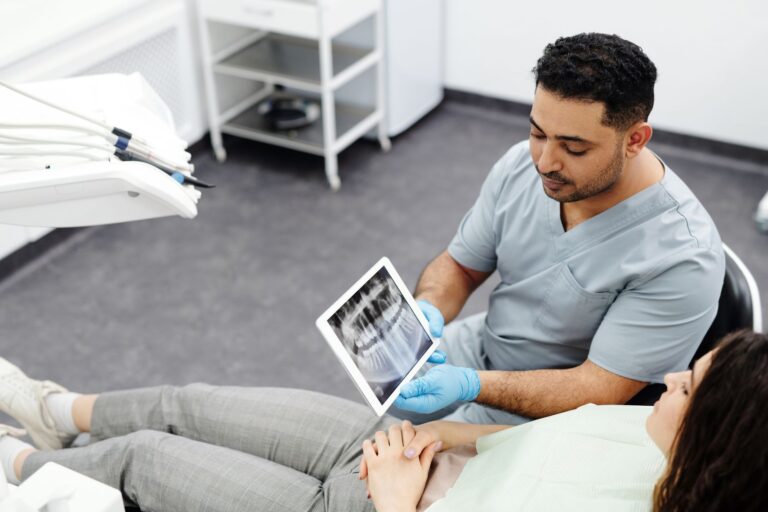
The IAN runs through the mandibular canal and provides sensory innervation to the lower teeth and soft tissues. Injury may result in paraesthesia, dysaesthesia, or anaesthesia. From a medico-legal perspective, the critical question is often whether the operator identified the proximity of the nerve to the surgical site using appropriate imaging. While a high-quality radiograph is standard, the requirement for advanced imaging, such as a cone beam computed tomography (CBCT) scan, remains a matter of clinical judgement based on the specific anatomical proximity identified on initial screening. An expert report generally scrutinises whether the radiographic justification and interpretation were commensurate with the clinical difficulty of the case.
The evolution of consent: From Bolam to Montgomery
In nerve injury claims, the consent process is a frequent focus of investigation. Historically, the Bolam test determined whether a failure to warn of a risk was negligent, based on whether a responsible body of dental practitioners would have considered that omission acceptable. Following the judgment in Montgomery v Lanarkshire Health Board [2015], the threshold for informed consent has shifted.
Under current principles, a practitioner has a duty to take reasonable care to ensure the patient is aware of any material risks involved in the proposed treatment. A risk is material if a reasonable person in the patient’s position would be likely to attach significance to it, or if the practitioner is or should reasonably be aware that the specific patient would attach significance to it. While contemporaneous notes and signed consent forms are essential, an expert must evaluate whether the discussion of risks, including the potential for permanent nerve damage, was adequate in the context of the patient’s specific circumstances.
Breach of duty and causation
When assessing breach of duty, the expert witness evaluates the surgical steps taken, including flap design, bone management, and instrument control. An adverse outcome, such as an injury to the IAN, does not in itself establish negligence. The claimant must demonstrate that the injury resulted from a departure from the standard of a reasonably competent dental practitioner.
Causation often involves complex questions if there is evidence of pre-existing pathology or anatomical variants. The expert must seek to determine the mechanism of injury—whether it arose from direct mechanical trauma, thermal injury, or compression. Analysis of causation focuses on the ‘but-for’ test: whether, in the absence of the identified breach, the injury would have been avoided or significantly mitigated.
Role of the expert witness
Selecting the appropriate dental expert is paramount. Depending on the procedure, this may require an oral and maxillofacial surgeon, a specialist in oral surgery, or a practitioner with documented experience in the specific field, such as implant dentistry. Under CPR Part 35, the expert witness provides independent, impartial evidence to the court.
Expert reports should provide a clear opinion on whether the care provided satisfied the Bolam test, as modified by the Bolitho requirement that the opinion must be logically defensible, and whether the consent process met the Montgomery standard. Where the court directs that expert evidence be provided by a single joint expert, instructions are governed by CPR 35.8. If separate experts are instructed, they may be directed by the court or invited by the parties to hold discussions to identify issues on which they agree and disagree, in accordance with CPR 35.12.
Practical considerations for solicitors
To prepare for litigation or to refine instructions to an expert, solicitors should ensure that the following evidence is secured:
- Complete dental records, including clinical notes and all consent documentation.
- Pre-operative and post-operative radiographs, including original DICOM files from any CBCT scans.
- A detailed statement from the claimant regarding the nature and timing of the consent discussion.
- Serial neurosensory testing results where available to assist in establishing the clinical prognosis.
When drafting written questions under CPR 35.6, these should be focused on clarifying the expert’s interpretation of specific radiographic features or the particular surgical technique that constituted the alleged breach. Clear, concise questions are more likely to yield evidence of direct utility to the court. Accessing specialist clinical evidence for legal cases requires matching the expert’s discipline to the specific nature of the procedure.
This article is for general informational purposes only and does not constitute legal or medical advice. Readers should seek appropriate professional guidance.