Report type
Cost of future dental care reports
The treatment a dental injury will require across a lifetime, costed for the schedule of loss.
Purpose and limits
What this report does
This report costs the future. It sets out the dental treatment the claimant will need as a result of the injury, when they will need it, and what it will cost.
It usually follows a condition and prognosis report, or forms part of one. Prognosis says what will happen to the dentition; this report prices it.
Pain, suffering and loss of amenity are for the legal team, assessed against the Judicial College Guidelines. This report supplies the future-care element of the schedule of loss — the part a general medical report cannot reach.
View condition and prognosis reports →The hard part
The cost is not the procedure. It is the replacement cycle.
The mistake that undervalues a dental claim is costing the treatment needed now, and stopping.
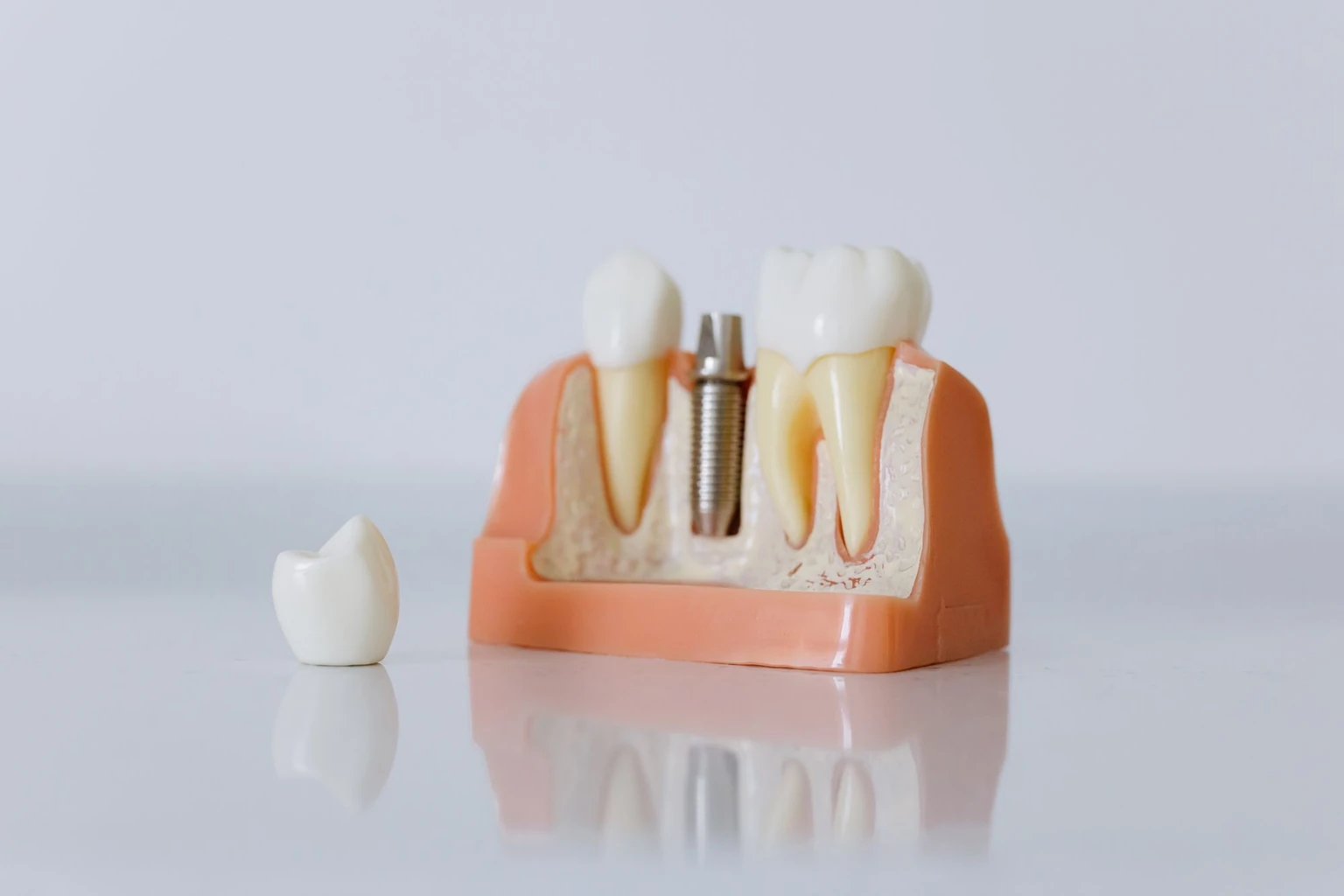
Dental restorations have a finite life. A crown is replaced several times across an adult lifetime. An implant will one day fail and be replaced. A denture is remade. For a claimant injured young, the treatment is not one procedure but a cycle repeating for sixty years, and the cost of that cycle is often the largest single element of the claim.
The report must therefore project the treatment across the claimant’s expected lifetime, cost each stage, and account for the fact that what is placed today will be replaced tomorrow. A schedule built on the first procedure alone can undervalue the claim by a multiple.
Instruction context
When this report is used
- 01
Personal injury
The future-care element of the schedule of loss, after trauma to the teeth, jaw or face.
- 02
Dental negligence, after liability
Where the claim turns on the cost of putting the dentition right.
- 03
CICA applications
Awards are tariff-based, so the report establishes which tariff description the injury meets rather than costing a lifetime schedule.
Matching the discipline
The expert we match
A restorative dentist or prosthodontist. Costing the replacement cycle requires someone who has placed and replaced these restorations and knows how long they last in practice, not in theory.
For instructing solicitors
Why solicitors instruct us
We cost the cycle, not the procedure
The lifetime replacement schedule is where the value sits, and a report that stops at the first rebuild leaves money on the table.
Realistic lifespans, not optimistic ones
A schedule built on how long a restoration should last, rather than how long it does, does not survive the defendant’s expert.
A named case manager
One consistent point of contact from first enquiry through to delivery of the report, who tells you where the instruction stands before you ask.
Deferred terms for CFA-funded cases
For cases funded under a conditional fee agreement, payment can be deferred to the conclusion of the claim where agreed in writing.
FAQs
Commonly asked questions
The expert projects the treatment needed across the claimant’s expected lifetime, and costs each stage, allowing for restorations failing and being replaced.
No. General damages are for the legal team, against the Judicial College Guidelines. This report supplies the future-care figure.
Because the replacement cycle runs for their remaining lifetime. A younger claimant faces more replacements, and a larger claim.
CICA is tariff-based, so the report is written to the tariff rather than to a lifetime schedule.
Discuss an instruction
Need a cost of future care report?
Tell us the injury and a case manager will send a suitable CV and a fixed quote.